Blog
EMS Insights & Clinical Updates
In-depth articles from our physician-led team. Evidence-based clinical education, leadership insights, and EMS career resources.
All Articles
Carbon Monoxide Poisoning: The Toxidrome That Fools Every Vital Sign Monitor You Have
Carbon monoxide poisoning produces normal pulse oximetry readings while the patient is actively dying. Here's why your monitor lies and how to recognize CO poisoning in the field.
Cognitive Bias in EMS: How Your Brain Gets in the Way of a Good Call
Cognitive bias in EMS is one of the leading contributors to missed diagnoses and bad clinical decisions. Learn about the 12 most common biases affecting paramedics and EMTs and the practical strategies to counter them in the field.
Treating Trauma: What EMS Providers Need to Know About Blunt Force Injury Patterns
Blunt force trauma is one of the most common injury mechanisms EMS providers encounter. Learn to recognize injury patterns, assess for internal bleeding, and prioritize interventions for blunt trauma patients in the prehospital setting.
First Pass Success Starts Before You Touch the Laryngoscope
Most airway failures happen before the attempt—not during it. Master positioning, preoxygenation, and setup to improve first pass success.
You're Not Backup for PD. You're the Patient's Advocate
EMS and law enforcement have different missions. When those missions conflict, your patient comes first. That means sometimes you advocate against the police in favor of your patient's safety and rights.

What the House Is Telling You: A Prehospital Provider's Guide to Recognizing Child Abuse
When you factor in the documented miss rate, the real number of children experiencing abuse at any given time is almost certainly over one million. These are not kids in obviously dangerous situations.
The Unsexy Stuff That Keeps Crews Alive
Station life is more than chores. Learn how checklists, crew culture, fatigue, and exposure control protect patients and responders on every call.
The Paramedic Brain
Clinical reasoning is the process by which a provider collects information, processes it against prior knowledge and experience, generates a working diagnosis, and selects a course of action. In the field, this often unfolds in minutes with incomplete information.
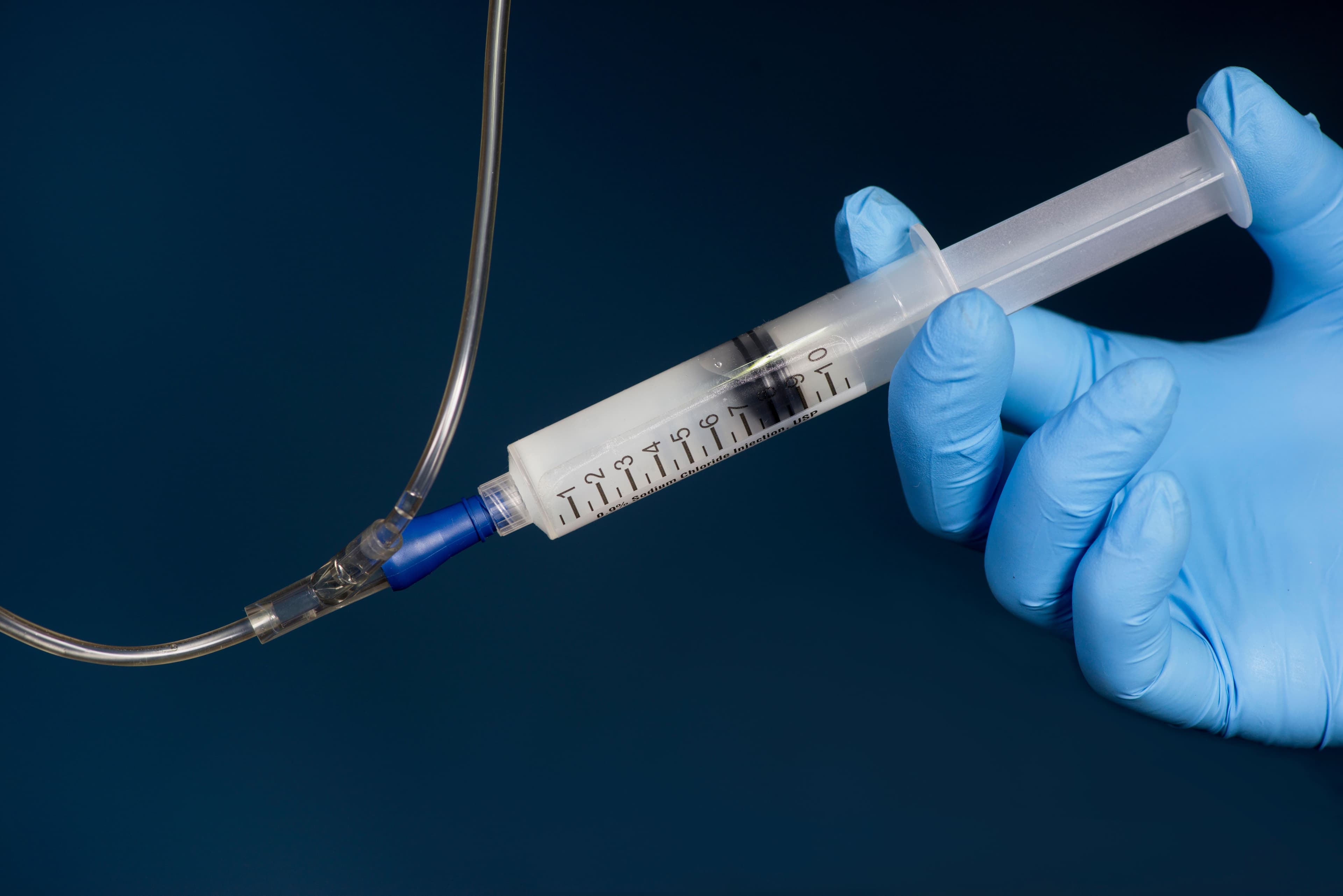
The Five Rights of Medication Administration: A Field-Ready Review
The five rights are not a beginner concept. They are a professional discipline. A field-ready review of what each one demands in the prehospital environment.

The EMS Guide To Hypothermia In The Field
Hypothermia does not just show up during blizzards. Rain, wind, wet clothing, and prolonged exposure can pull heat from a body fast. Here is how EMS providers can recognize it early and manage it in the field.
Scary Calls, Simple Skills: How EMS Pros Stay Sharp When the Stakes Are High
There is a special kind of terror that hits when you realize the call is real. Not training real. Not we can pause and reset real. Real real.
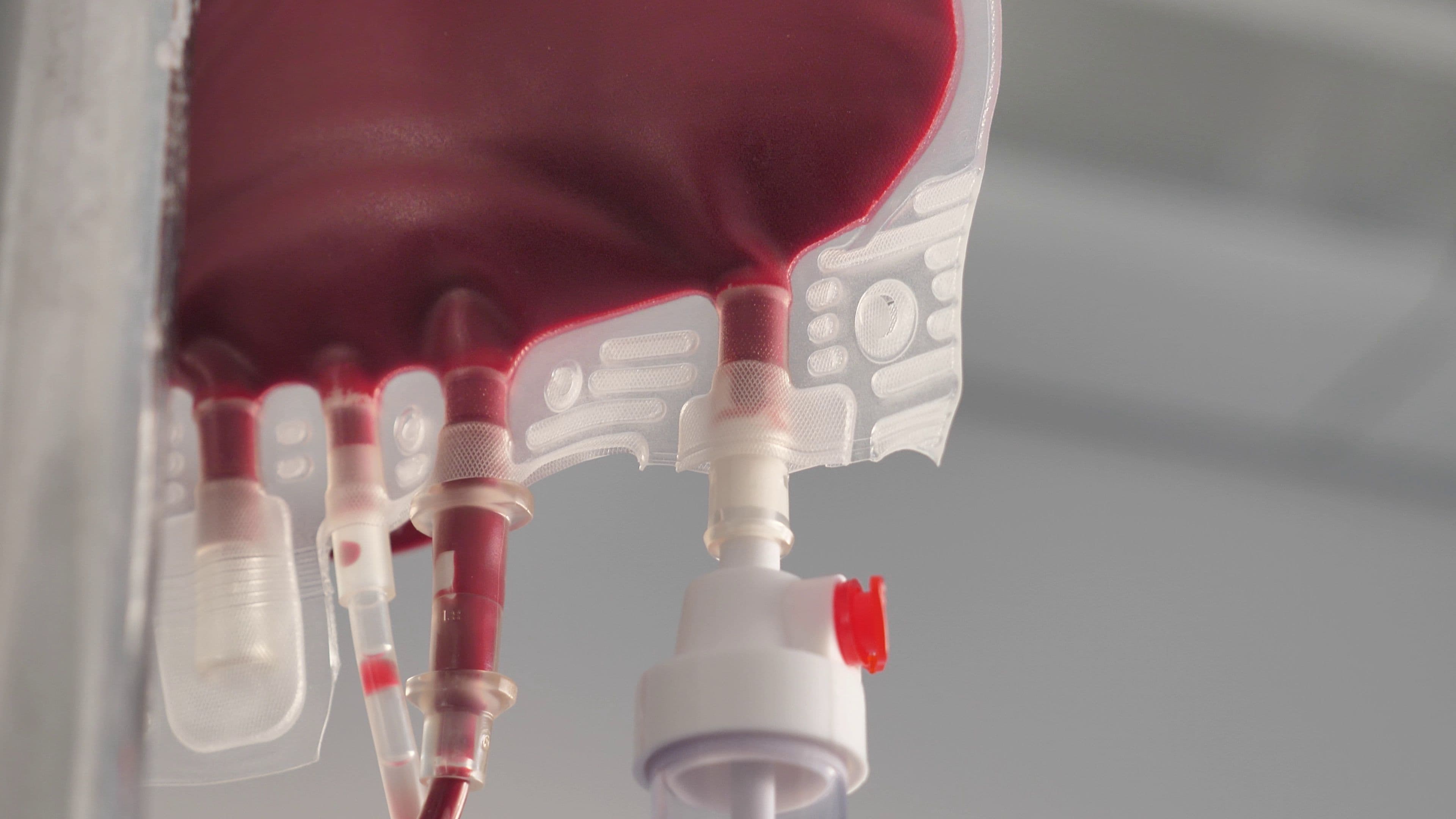
Whole Blood in EMS
Whole blood is transforming EMS care by enabling faster, more effective treatment of severe hemorrhage. This article explores its clinical benefits and what EMS agencies need to know to implement a whole blood program.
Pit Crew CPR for EMS: How to Run a Cleaner Code When the Scene Is Chaos
Pit crew CPR is a way to keep your team from bleeding seconds without realizing it. AHA highlights key components of high-quality CPR: rate, depth, recoil, and minimizing interruptions. The first two minutes set the tone for any resuscitation.
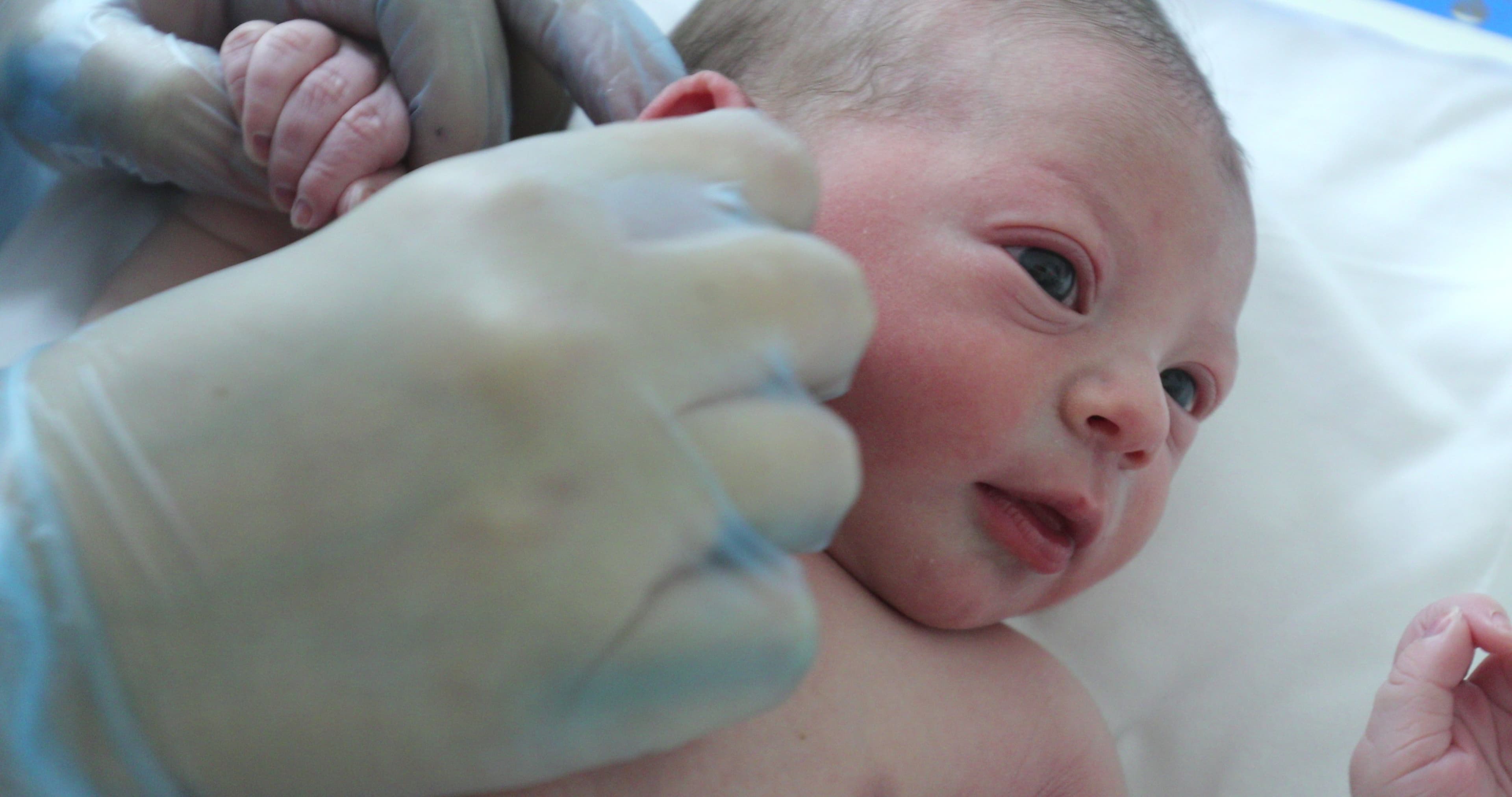
Pediatric Assessments For EMS: A Simple Game Plan For Terrifying Peds Calls
Pediatric calls hit different. With a simple framework and intentional training, pediatric assessment can move from panic to calm, automatic confidence. A practical game plan for EMS providers.
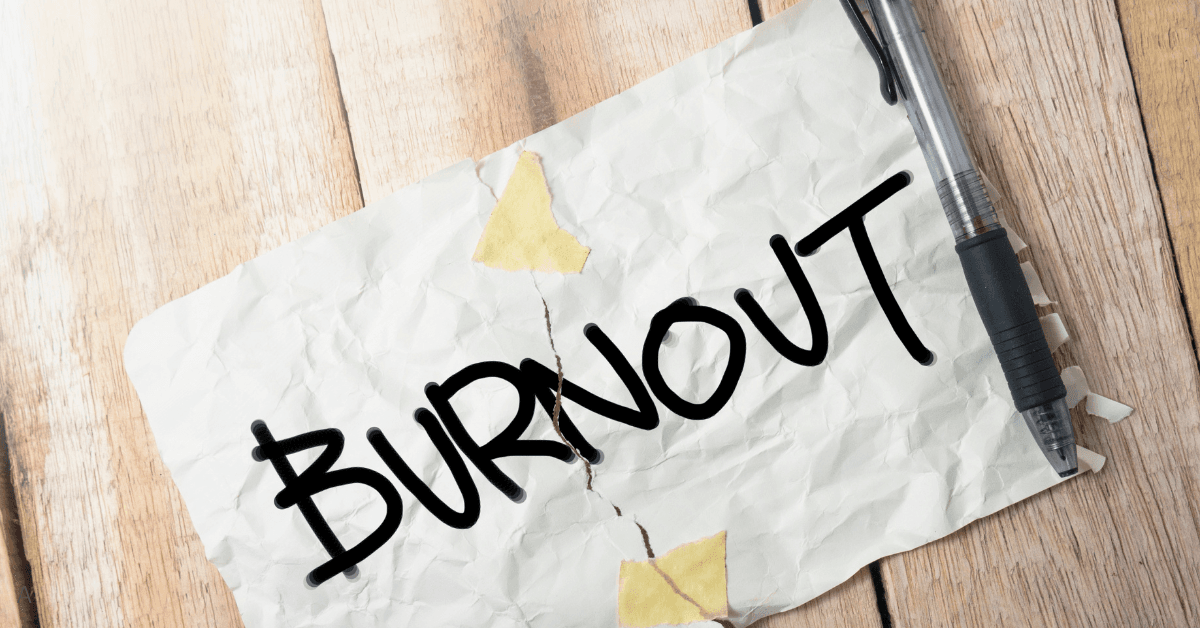
Overtime Culture Is Quietly Breaking EMS
If you want to start a fight in an EMS break room, bring up overtime. When overtime becomes the foundation of your lifestyle, it becomes a trap that quietly takes everything sustainable about your career.
Mass Casualty Preparedness for EMS: Training the Body and the Brain
Mass casualty incidents expose gaps that routine calls never do. Preparation requires training the body and training the decision-making brain for chaos, resource scarcity, and rapid triage.

Jail Patients Aren't 'Different Patients'
The stigma against incarcerated patients costs lives. Learn why your medical assessment shouldn't change based on a patient's legal status.
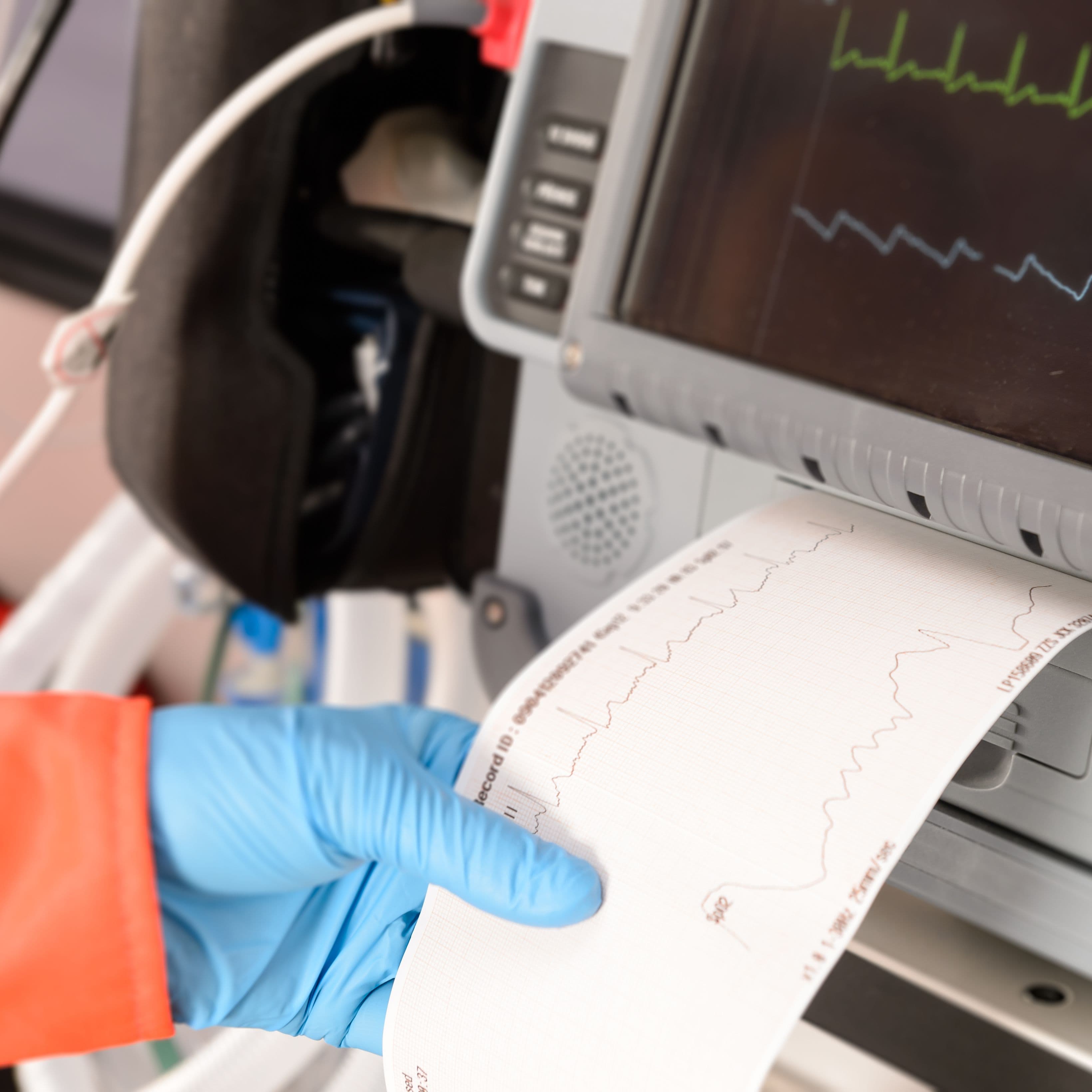
How to Read an EKG in 3 Steps
Stop feeling overwhelmed by EKGs. Master the 3-step approach that emergency providers use to quickly identify life-threatening rhythms and know when to act.
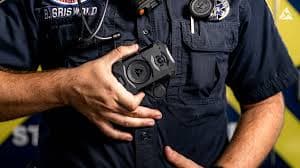
EMS Body Cameras: Accountability, Refusals, and the HIPAA Mess
Body cameras in EMS raise critical questions about accountability, patient privacy, and documentation. Here's what they help, what they risk, and how to implement them responsibly.
Death by PowerPoint Is Not Education
Most continuing education is a performance. You show up, you sit through the slides, you get your hours. Nobody expects you to retain anything or change your practice. That is not education. That is bureaucracy.
Ready to Earn CE Credits?
Turn these insights into CAPCE-accredited CE hours with our podcast-style courses.
Explore Courses