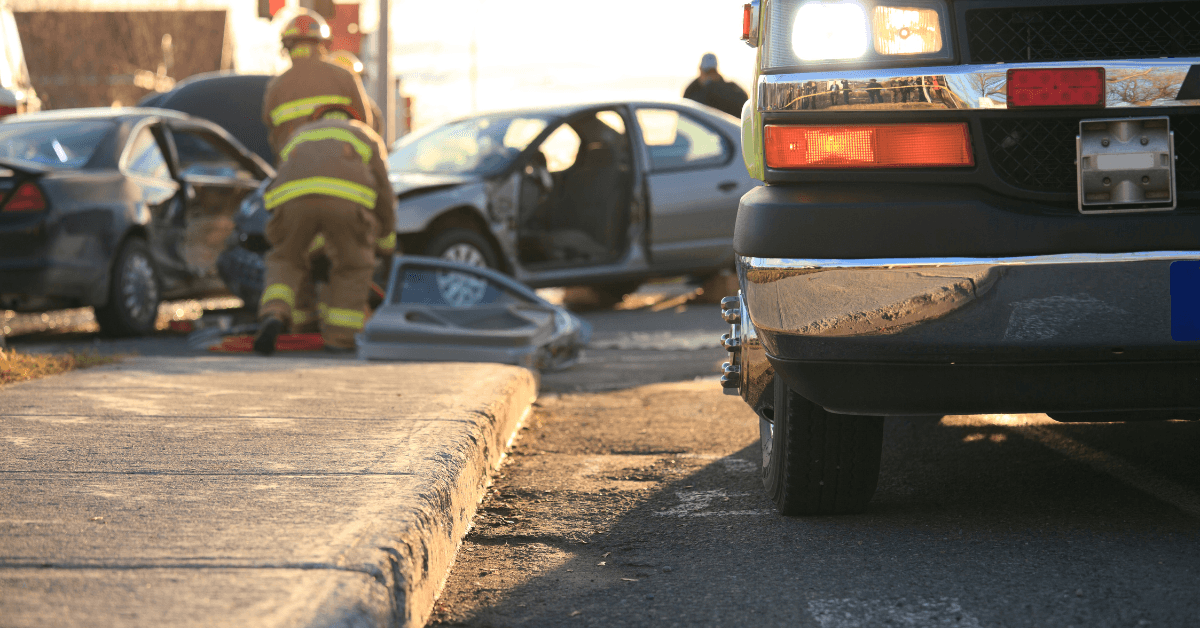
When it is 10 degrees with a sideways wind and you’re standing on the side of a highway in a job shirt and a paper thin vest, it is pretty easy to remember hypothermia exists. But cold stressed patients do not just show up during blizzards.
Rain, wind, wet clothing, AC that is stuck on “Arctic,” or a trauma patient lying on a cold roadway can all pull heat out of a body faster than it can be made. For EMS, hypothermia is less about the season and more about exposure, environment, and vulnerability.
Just like we talk about heat emergencies as a spectrum, hypothermia lives on its own sliding scale, from “shivering but still making jokes” to “silent, stiff, and in cardiac arrest.”
Let’s walk through how to recognize it early, when to call it a true emergency, and what you can realistically do with these patients in the field.
Why Hypothermia Calls Show Up All Year
Hypothermia is simply defined as a core temperature below 35 C or 95 F. We lose heat through radiation, convection, conduction, and evaporation. Cold air or water, wind, wet clothing, cold surfaces, and certain meds all speed that loss.
Cold weather is the obvious villain, but you will also see hypothermia in patients who are:
- Wet and exposed to wind in “not that cold” temps
- Intoxicated or sedated and asleep on a bench, sidewalk, or floor
- Trauma patients who are uncovered or stuck in long extrications
- Older adults in poorly heated homes
- Outdoor workers caught in rain or cold water
Hypothermia can happen even above 40 F if your patient is wet and getting chilled by wind or water. If you are thinking, “It is not that cold out, this cannot be hypothermia,” your patient is going to humble you.
The Hypothermia Spectrum
Different sources slice the spectrum a little differently, but you will usually see:
- Mild: 32 to 35 C (90 to 95 F)
- Moderate: 28 to 32 C (82 to 90 F)
- Severe: less than 28 C (82 F)
You will not always have a perfect core temp, so think in patterns instead of obsessing over the number.
Mild hypothermia
Your mild hypothermia patient is usually:
- Awake and talking, but a little off
- Shivering, sometimes a lot
- Clumsy with fine motor tasks
- Pale and cold to the touch
They may complain of feeling very cold, tired, or “out of it.” They can often still walk and answer questions, but they are not operating at full power. Their body is starting to shut down non essential functions to keep the core happy.
Moderate hypothermia
As core temperature drops further, compensatory mechanisms start to fail. You may see:
- Decreased level of consciousness
- Shivering that is weaker or has stopped
- Slow heart rate and low blood pressure
- Slowed respirations
- Stiff muscles and a “wooden” feel when you move them
No shivering in a very cold patient is not comforting. It usually means the body ran out of fuel for shivering. That is a warning sign, not a clue they are improving.
Severe hypothermia
At the severe end:
- The patient is often unconscious
- Shivering is gone
- Pulse and respirations are slow and hard to detect
- Cardiac arrhythmias and arrest are very real threats (nows the time to get that refresher on how to read an EKG)
This is the classic “no one is dead until they are warm and dead” territory. They may already look dead, but with careful handling and rewarming they sometimes have surprisingly good outcomes.
Hypothermia Signs and Symptoms You Can Actually See
You are not going to get a fancy esophageal core temp in the back of your ambulance, but you get something just as useful: clinical signs.
Common warning signs in adults include shivering, exhaustion, confusion, fumbling hands, memory loss, slurred speech, and drowsiness. In infants you are looking for bright red cold skin and very low energy.
A simple way to think about it:
Early hypothermia
Windy, wet, and cold. You step out of the truck and your patient is:
- Shivering
- Seems clumsy or drops objects
- Has slow or slurred speech
- Complains of feeling wiped out
Treat that patient as early hypothermia until proven otherwise. But also do not forget that blood sugar.
Late, scary hypothermia
Later in the spectrum, you might see:
- No shivering despite obvious cold exposure
- Stumbling gait or inability to stand
- Glassy stare, apathy, or odd behavior
- Very slow respirations and pulse
- Decreased responsiveness or unresponsiveness
At this point, your patient is not just cold. Their brain and heart are both in danger.
Why mental status matters
Altered mental status shows up over and over in hypothermia literature. As temperature drops, mental status usually declines: confusion, poor judgment, and eventually coma.
Guidelines also remind us not to blame everything on hypothermia. If the mental status change or lack of shivering does not match the temperature or exposure, think about other causes too, like intoxication, stroke, infection, or head injury.
For EMS, the big red flag combo is:
- Cold environment or clear exposure
- Plus altered mental status or inability to function normally
That pairing should make you sit up straight, stop joking about how cold you are, and treat the situation as time critical.
High Risk Hypothermia Patients You Will See on Your Truck
You know the drill. Some groups show up again and again in these cases.
Older adults and people living alone
Older patients often have impaired thermoregulation at baseline, less effective shivering (tiny scrawny memaw), chronic illnesses, and medications that mess with temperature control. On top of that, they may not be able to fix a drafty window or afford to crank the heat.
You might be dispatched to a “welfare check” or “sick person” and walk into a house that feels like a walk in cooler. The patient is tired, a bit confused, wearing light clothing, and sitting by a cold window. Your hypothermia alarms should be going off.
Kids with big heads and tiny bodies
Kids lose heat faster than adults thanks to a higher surface area to mass ratio and a big head compared to body size. Hypothermia is part of the lethal triad in all trauma patients, but it hits pediatric trauma especially hard.
Think about:
- Infants sleeping in cold rooms
- Kids playing outside in wet clothing
- Children pulled from cold water
Bright red cold skin, lethargy, and low energy in a baby are big cues that hypothermia may be at play.
Trauma, intoxication, and the “found down” patient
Trauma patients bleed, get stripped, and often lie on cold surfaces for a long time. Hypothermia is a major piece of the trauma lethal triad and makes coagulopathy and shock worse.
Intoxicated patients are another classic group. They do not respond appropriately to cold, they pass out in random places, and alcohol driven vasodilation increases heat loss.
The “found down” patient in a cold environment who smells like booze and is barely responding usually has multiple issues at once. Hypothermia is often one of them.
Workers, hikers, and people who are wet and windy
Outdoor workers, hunters, hikers, and anyone who took an unexpected swim or got caught in a cold rain with wind are all at risk. Wet clothing plus wind can strip heat frighteningly fast, even if the thermometer does not look impressive.
Building a Simple Hypothermia Assessment Routine
You do not need a brand new assessment flowchart. You just layer “cold brain” thinking onto what you already do.
Scene and environment check
Before you touch the patient, clock the basics:
- Temperature and wind
- Wet vs dry, rain or snow
- Clothing and how much of it
- Surface they are lying on
- Rough idea of how long they have been there
If you are cold in full gear after three minutes, imagine their situation after an hour.
Focused history and meds
Ask the quick stuff:
- How long have you been here or outside
- Any water exposure or wet clothing
- Medical history and meds, especially thyroid issues, sedatives, antipsychotics, alcohol
- Any recent infection, stroke symptoms, or drug use
Hypothermia can be the main event or just one member of a very messy party.
Primary and secondary survey with a cold brain
On your primary:
- Airway: cold, obtunded patients are aspiration risks
- Breathing: slow, shallow, or irregular
- Circulation: pulses can be slow and weak, blood pressure low
On your secondary:
- Do a real mental status check, not just “A and O times four” by habit
- Look at clothing, skin color, and injuries
- Get a temperature if you can, remembering peripheral devices usually underestimate core
And remember the hypothermia twist: pulses and respirations may be very slow and hard to find. Take your time.
Prehospital Management – What EMS Can Do Right Now
Once you decide your patient is hypothermic or at real risk, management falls into a few big buckets.
Gentle handling and airway considerations
Cold hearts are cranky hearts. Significant hypothermia makes patients more prone to arrhythmias, and rough handling can theoretically nudge them into VF.
You do not have to walk on eggshells, but:
- Avoid unnecessary jostling
- Move the patient in line with good support
- Keep them horizontal when possible
For airway:
- Suction carefully if they are vomiting or have an impaired gag
- Consider an advanced airway if they cannot protect their own
- Warm, humidified oxygen helps with both oxygenation and rewarming when you have it
Passive warming tricks
Passive external rewarming is your starting move for mild and some moderate cases:
- Remove wet clothing
- Dry the patient
- Add warm blankets, hats, and insulation
- Crank the heat in the rig like you are trying to turn it into a mobile sauna
Simply stopping further heat loss is a huge win.
Active warming in the real world
For more significant hypothermia, or patients who are not generating much heat on their own, active external warming within your protocol might include:
- Warm packs to the axillae, chest, and groin
- Warmed IV fluids if your service has a fluid warmer
Hospitals can escalate to more aggressive internal rewarming, but your job is to start the process and prevent things from getting worse.
When you should worry about cardiac arrest
Severe hypothermia can lead to bradycardia, VF, or asystole. The classic “no one is dead until they are warm and dead” line exists for a reason. Hypothermic patients in arrest can have solid neurologic outcomes if they are rewarmed appropriately, especially when cold is the primary insult.
In the field:
- Follow your local protocols on CPR, shock, and meds in hypothermic arrest
- Prioritize good compressions and get them to a center that can rewarm aggressively if you can
Do not assume there is no point just because they are cold
Hypothermia Takeaways for EMS Crews
- Hypothermia happens anywhere there is cold, wet, wind, or prolonged exposure.
- It is a spectrum, not an on off switch.
- Shivering is an early clue; no shivering in a cold patient is not a flex.
- Cold exposure plus altered mental status should flip your “treat aggressively” switch.
- Older adults, kids, trauma patients, intoxicated people, and outdoor workers are high risk groups.
- Gentle handling, stopping heat loss, and starting rewarming are your bread and butter.
- Very cold does not always mean “no hope.”
Winter will winter. Your job is to keep your patients’ brains, hearts, and kidneys from paying the price.