Course Catalog
195+ CAPCE-Accredited Courses
Physician-led EMS continuing education. Filter by level, category, or search by topic. $10/credit or $175/year unlimited. Your subscription includes access to all newly released courses in addition to the full existing library.
195
Total Courses
190.5
CE Hours Available
$10
Per Credit Hour
CAPCE
Accredited
Need all your recertification hours? Get every course with one subscription for $175/year.
1001 Foundations of Physiology and Pathophysiology (ALS)
A deeper look at cellular function and dysfunction that will help improve understanding of how the body works in health and illness.
1002 Infection Control Respiratory Protection (ALS)
Matt and Adam break down respiratory protection into important and relevant components.
1003 Infection Control Respiratory Protection (BLS)
Matt and Adam break down respiratory protection into important and relevant components.

1004 Intro to Critical Care Transport (ALS)
An introduction to the transport methods and care provided to our most critical patients, both from the field as well as other hospitals.

1005 Emergency Medical Dispatch (ALS)
This course provides insight into how EMD has developed into an integral part of the EMS delivery system. We explore current trends and future developments and highlight how EMD optimizes patient outcomes.

1006 Podcast: Patient Refusals (ALS/BLS)
Learn how to manage patient refusals safely and legally. This podcast covers best practices for documentation, communication, and handling uncooperative patients.
1007 Podcast: Rethinking C-Collars in EMS (ALS/BLS)
This course explores new research suggesting that C-collars may cause more harm than benefit. Learn about the updated hypothesis of hypoperfusion vs the old hypothesis of immobilization.
1008 Foundations of Physiology and Pathophysiology (BLS)
A deeper look at cellular function and dysfunction that will help improve understanding of how the body works in health and illness.
1009 Emergency Medical Dispatch (BLS)
This course provides insight into how EMD has developed into an integral part of the EMS delivery system. We explore current trends and future developments and highlight how EMD optimizes patient outcomes.

1010 High Risk Errors (ALS)
A fast-paced look at the most dangerous EMS errors and how to avoid them. This course sharpens assessment, medication, communication, and documentation skills so you can make safer decisions and deliver better care on every call.
1011 High Risk Errors (BLS)
A fast-paced look at the most dangerous EMS errors and how to avoid them. This course sharpens assessment, medication, communication, and documentation skills so you can make safer decisions and deliver better care on every call.
1012 Podcast: High Risk Errors
Learn how to prevent mistakes and improve patient outcomes. This course breaks down some common high-risk errors in pre-hospital care�airway, meds, documentation, and more.

1013 Cognitive Bias (ALS)
Cognitive bias in high-stakes EMS decision-making. Identify the most common biases affecting prehospital care, understand how they drive errors, and apply real-time strategies to sharpen clinical judgment and improve patient outcomes.
1014 Cognitive Bias (BLS)
Cognitive bias in high-stakes EMS decision-making. Identify the most common biases affecting prehospital care, understand how they drive errors, and apply real-time strategies to sharpen clinical judgment and improve patient outcomes.
1015 Podcast: Rapid Decisions, Hidden Bias (ALS/BLS)
Cognitive bias shapes every EMS call. Erik and Matt break down anchoring, confirmation bias, Dunning-Kruger, and more using real stories and practical tools to sharpen clinical decision-making in high-stakes, high-pressure situations.
1501 Skeletal System (ALS)
A quality overview of the skeletal system with basic but key concepts for patient care.
1502 Skeletal System (BLS)
A quality overview of the skeletal system with basic but key concepts for patient care.
1503 Podcast: Understanding Ketamine (ALS)
Dive into ketamine�s history � from battlefield origins to ER staple � unpacking its lifesaving uses, controversies, and why it�s becoming a must-have in prehospital care.

1504 Physiology for EMS (ALS)
Protocols tell you what to do. Physiology tells you why. This EMS physiology course simplifies human physiology into core processes - how the lungs, kidneys, liver, heart & skin keep cells alive, and how their failure becomes the disease on scene.
1505 Physiology for EMS (BLS)
Protocols tell you what to do. Physiology tells you why. This EMS physiology course simplifies human physiology into core processes - how the lungs, kidneys, liver, heart & skin keep cells alive, and how their failure becomes the disease on scene.
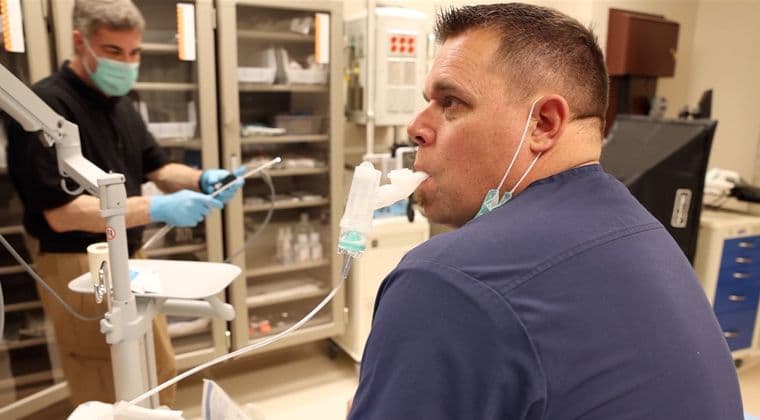
2001 Respiratory Anatomy and Physiology (ALS)
Complex airway anatomy and physiology made simple!
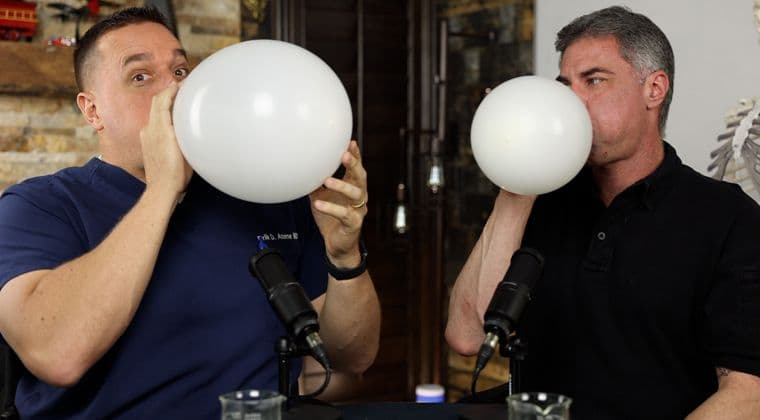
2002 Respiratory Pathophysiology Unit I (ALS)
A review of common life-threatening respiratory emergencies and how to treat them: Unit I.
2003 Respiratory Pathophysiology Unit II (ALS)
A review of common life-threatening respiratory emergencies and how to treat them: Unit II.
2004 Non-Respiratory Causes of Dyspnea (ALS)
Discussing the often-overlooked causes of dyspnea that can result in an airway emergency.

2005 Respiratory Pharmacology (ALS)
A review of medications used to treat life-threatening respiratory emergencies, harnessing an understanding of the ANS to understand common respiratory drugs.
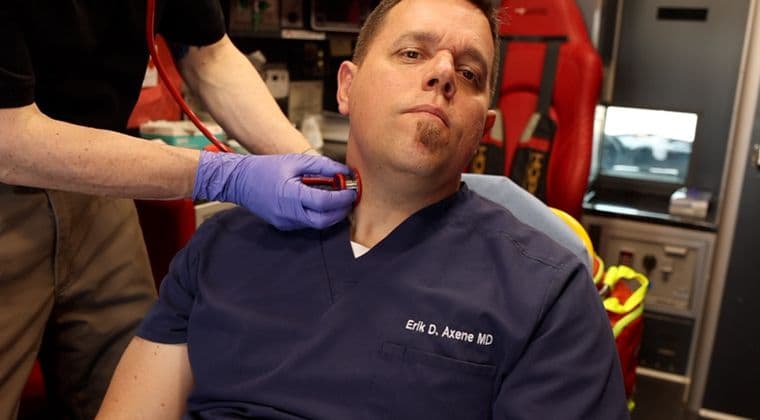
2006 Airway Assessment and Management Unit I (ALS)
A discussion of vital airway assessment techniques, airway adjuncts, and non-invasive airway management strategies.
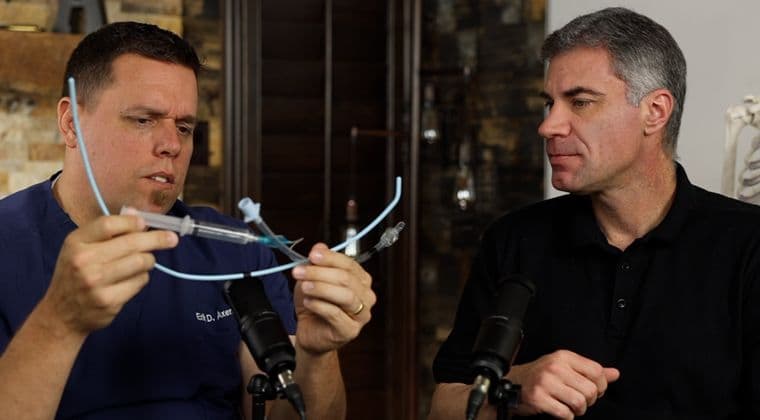
2007 Airway Assessment and Management Unit II (ALS)
A discussion of critical invasive airway maneuvers (intubation and surgical airway) to secure the airway of your critically ill patients.
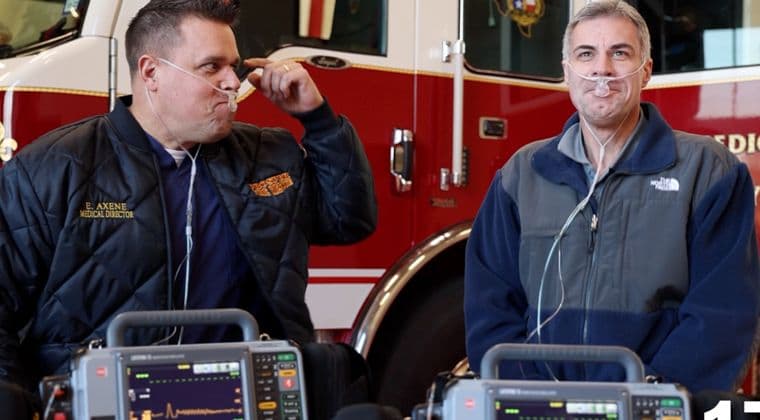
2008 Capnography and Pulse Oximetry (ALS)
A review of pulse oximetry and capnography as invaluable tools in monitoring, identifying and treating many disease processes.
2009 Podcast: Oxygen: Toxin or Treatment? (ALS/BLS)
Explore the wide differential of the dyspneic patient, how to distinguish respiratory from non-respiratory pathology, and learn when to appropriately provide oxygen therapy to prevent unintended harm.
2010 Respiratory Anatomy and Physiology (BLS)
Complex airway anatomy and physiology made simple!
2011 Respiratory Pharmacology (BLS)
A review of medications used to treat life-threatening respiratory emergencies, harnessing an understanding of the ANS to understand common respiratory drugs.
2013 Capnography and Pulse Oximetry (BLS)
A review of pulse oximetry and capnography as invaluable tools in monitoring, identifying and treating many disease processes.
2014 High Risk Airway Emergencies (ALS)
Airway management goes beyond intubation. Learn to identify, assess, and prepare for difficult airways to improve outcomes in airway emergencies.
2015 Acute Respiratory Distress (ALS)
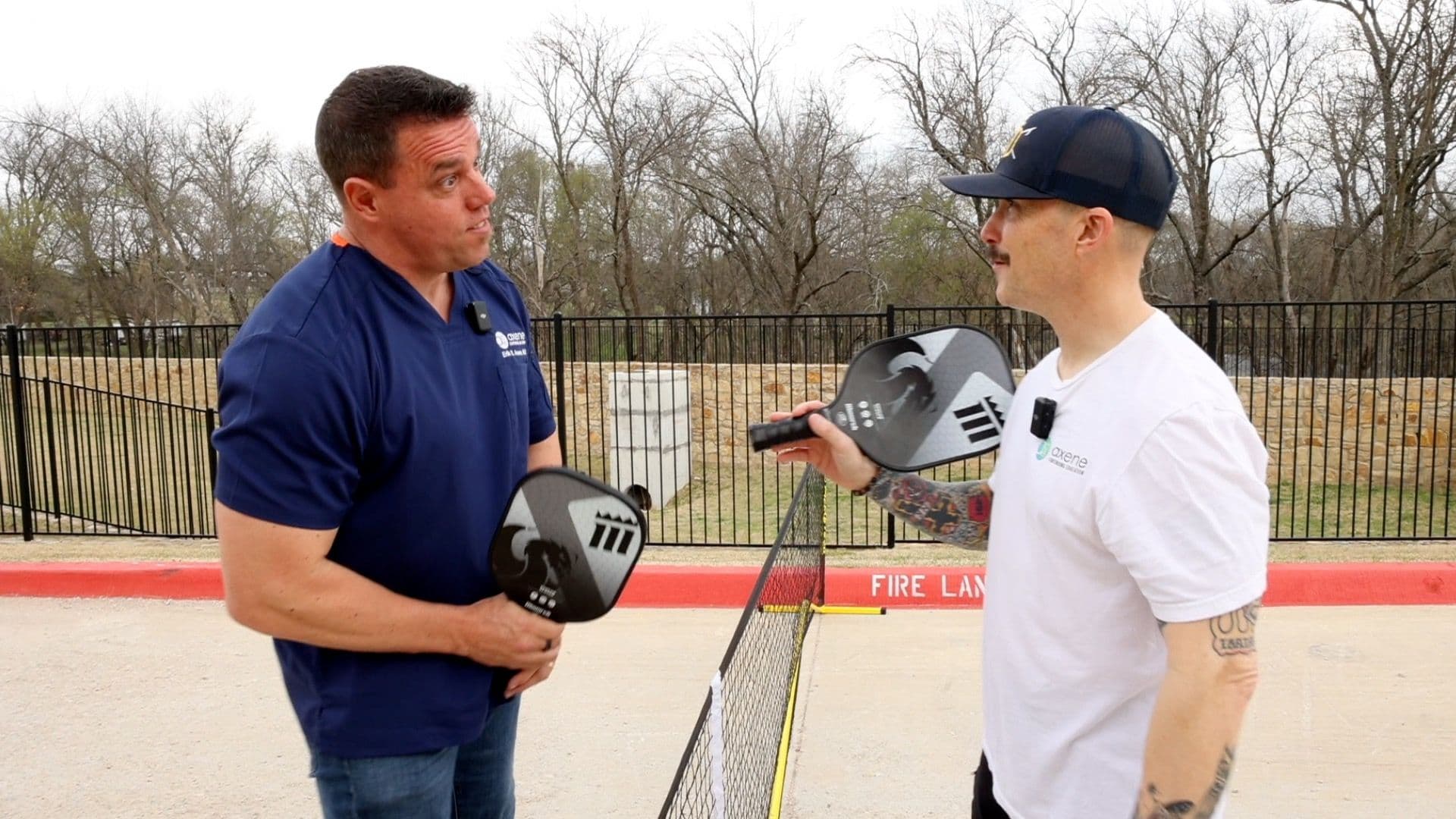
Acute respiratory distress in EMS: understand alveolar anatomy and gas exchange, learn where ventilation, diffusion, and perfusion fail, and recognize respiratory failure in critically ill prehospital patients.
2016 Acute Respiratory Distress (BLS)
Acute respiratory distress in EMS: understand alveolar anatomy and gas exchange, learn where ventilation, diffusion, and perfusion fail, and recognize respiratory failure in critically ill prehospital patients.
2017 Podcast: Physiology of Hypoxia (ALS/BLS)
Dr. Axene and Matt explore the four types of hypoxia and why the body craves oxygen. They reveal how pulse oximetry can deceive you when CO poisoning, skin pigmentation, or methemoglobinemia are in play.

3001 Patient Assessment (ALS)
Recognizing a disease is a critical skill in delivering life-saving care.

3002 Pain Management Unit I (ALS)
A discussion of the definition and anatomy of pain, and an overview of different pain management strategies.
3003 Pain Management Unit II (ALS)
An in-depth look at pain management strategies beyond IV narcotic medication.

3004 Documentation (ALS)
A breakdown of the components of documenting a patient care report, including the importance of excellent documentation and common mistakes made.

3005 History Taking (ALS)
A review of the components of a complete history, highlighting the red flags that could point to a life-threatening emergency.

3006 Physical Exam (ALS)
An entertaining overview of a head-to-toe physical exam to enhance your ability to detect manifestations of disease processes.
3008 Pain Management (BLS)
A discussion of the definition and anatomy of pain, and an overview of different pain management strategies.
3009 Patient Assessment (BLS)
Recognizing a disease is a critical skill in delivering life-saving care.
3010 Documentation (BLS)
A breakdown of the components of documenting a patient care report, including the importance of excellent documentation and common mistakes made.
3011 History Taking (BLS)
A review of the components of a complete history, highlighting the red flags that could point to a life-threatening emergency.
3012 Physical Exam (BLS)
An entertaining overview of a head-to-toe physical exam to enhance your ability to detect manifestations of disease processes.
3013 High Risk Documentation (ALS)
Your report can either protect you or expose you. This course examines real-world documentation pitfalls and provides the tools to write smarter, clearer, court-ready narratives that defend your care and improve patient outcomes.
3014 High Risk Documentation (BLS)
Your report can either protect you or expose you. This course examines real-world documentation pitfalls and provides the tools to write smarter, clearer, court-ready narratives that defend your care and improve patient outcomes.
3015 Rapid Stroke Assessment (ALS)
EMS continuing education course on stroke recognition and prehospital assessment. Covers stroke pathophysiology and arms providers to identify stroke types, distinguish stroke mimics, and guide transport to certified stroke centers.
3016 Rapid Stroke Assessment (BLS)
EMS continuing education course on stroke recognition and prehospital assessment. Covers stroke pathophysiology and arms providers to identify stroke types, distinguish stroke mimics, and guide transport to certified stroke centers.
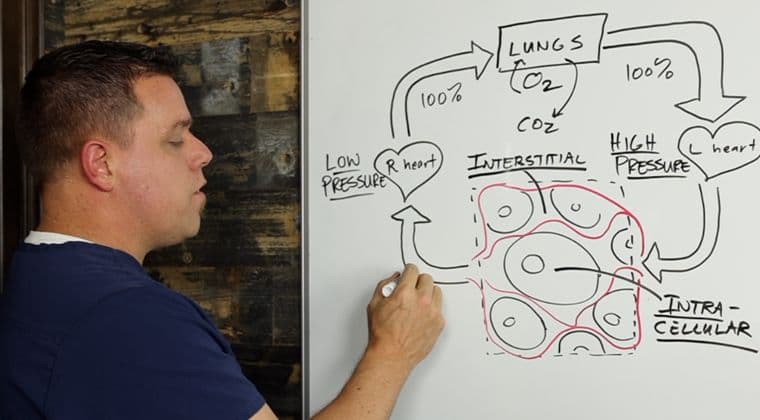
4001 Cardiac Anatomy and Physiology (ALS)
An in-depth review of the critical components of the cardiovascular system.
4002 Electrophysiology and EKG Basics (ALS)
The very complicated topic of electrophysiology presented in a meaningful and understandable way.

4003 Rhythm Recognition: Tachycardias (ALS)
A course to help simplify the interpretation of fast EKGs, making patient management easier.

4004 Rhythm Recognition: Bradycardias (ALS)
Sluggish Rates to Blocked Rhythms, this course makes interpreting slow heart rhythms easy. Introducing special guest Dr. Shoog the sloth.

4005 Chest Pain: CAD & STEMIs (ALS)
Understanding cardiovascular anatomy and the risk factors of coronary artery disease will help to treat life-threatening cardiac emergencies.

4006 Cardiac Arrest Unit I (ALS)
This course covers the risk factors, epidemiology, and pathophysiology of cardiac arrest to better understand and treat this life-threatening emergency.

4007 Cardiac Arrest Unit II (ALS)
Discussion and demonstration of the management of cardiac arrest with a humorous look at the �wrong way� and a look at the right way to treat these critically ill patients.

4008 Heart Failure (ALS)
A discussion of the pathophysiology of heart failure to better understand how to assess and treat this very sick patient population.
4009 12-Lead Interpretation (ALS)
Increase your confidence when it comes to reading 12-Leads. We will also teach you to better identify STEMIs and STEMI mimics.

4010 Can't Miss EKG Patterns (ALS)
Join Dr. Axene and Matt as they review life-threatening arrhythmias with a special guest electrophysiologist. From tachycardias to heart blocks, this course will prepare you to confidently identify and treat commonly-feared EKG patterns.
4013 Cardiac Anatomy and Physiology (BLS)
An in-depth review of the critical components of the cardiovascular system.
4014 Cardiac Arrest (BLS)
This course covers the risk factors, epidemiology, and pathophysiology of cardiac arrest to better understand and treat this life-threatening emergency.
4015 Heart Failure (BLS)
A discussion of the pathophysiology of heart failure to better understand how to assess and treat this very sick patient population.
4016 Beyond STEMI: The OMI Paradigm Shift (ALS)
Learn to identify occlusive myocardial infarction (OMI) patterns through real cases, enhancing EKG interpretation skills to improve diagnosis and save lives in cardiac emergencies.
4020 Podcast: OMI vs STEMI (ALS)
Uncover the hidden danger of focusing only on STEMIs - potentially missing 1 in 4 heart attacks. Explore the game-changing OMI approach and sharpen your cardiac care skills.
4021 Podcast: ECMO in EMS Rescue (ALS)
Explore ECMO's growing role in EMS, its potential to improve dismal out-of-hospital cardiac arrest survival rates, and how it offers new hope for select critical care patients.
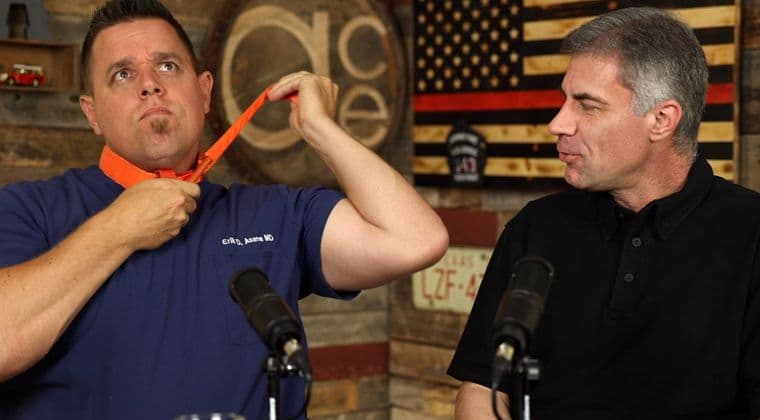
4101 Acute Ischemic Stroke (ALS)
A discussion of the risk factors and assessment of stroke patients with a special focus on identification and management.

4102 Seizures Unit I (ALS)
This introductory lecture on seizures includes a brief review of the pathophysiology of seizures, assessment of the seizure patient and the management of seizures.

4103 Seizures Unit II (ALS)
Discussion of seizure pathophysiology, assessment and management. We will also treat two patients who have called 911 for seizure for two very different reasons.
4104 Acute Ischemic Stroke (BLS)
A discussion of the risk factors and assessment of stroke patients with a special focus on identification and management.
4105 Seizures (BLS)
This introductory lecture on seizures includes a brief review of the pathophysiology of seizures, assessment of the seizure patient and the management of seizures.
4106 Podcast: Ischemic Stroke (ALS/BLS)
Time is tissue. Ischemic stroke lessons for EMS providers: rapid recognition, LVO identification, distinguishing stroke mimics, last known well, and the transport decisions that drive outcomes.
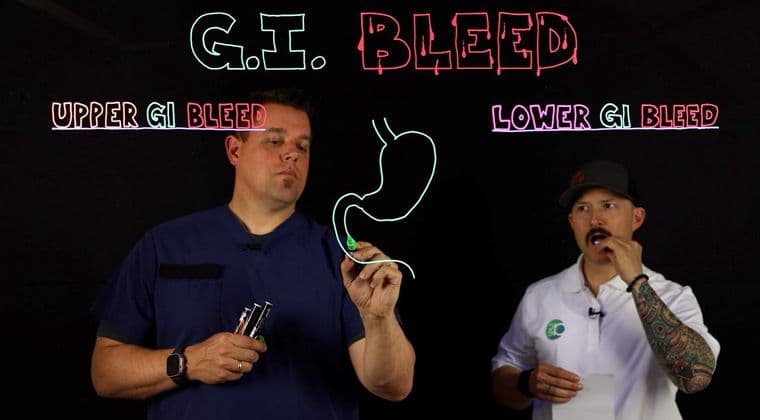
4201 GI Bleeds (ALS)
Identifying and managing GI Bleeds with an emphasis on physical exam, crucial questions to ask, and how to recognize red flags.
4202 GI Bleeds (BLS)
Identifying and managing GI Bleeds with an emphasis on physical exam, crucial questions to ask, and how to recognize red flags.
4203 Podcast: GI Bleeds (ALS/BLS)
GI bleeding can be life-threatening and easy to miss early. Review causes and pathophysiology of GI hemorrhage, key assessment findings, and EMS priorities to recognize shock and manage patients with suspected acute blood loss.
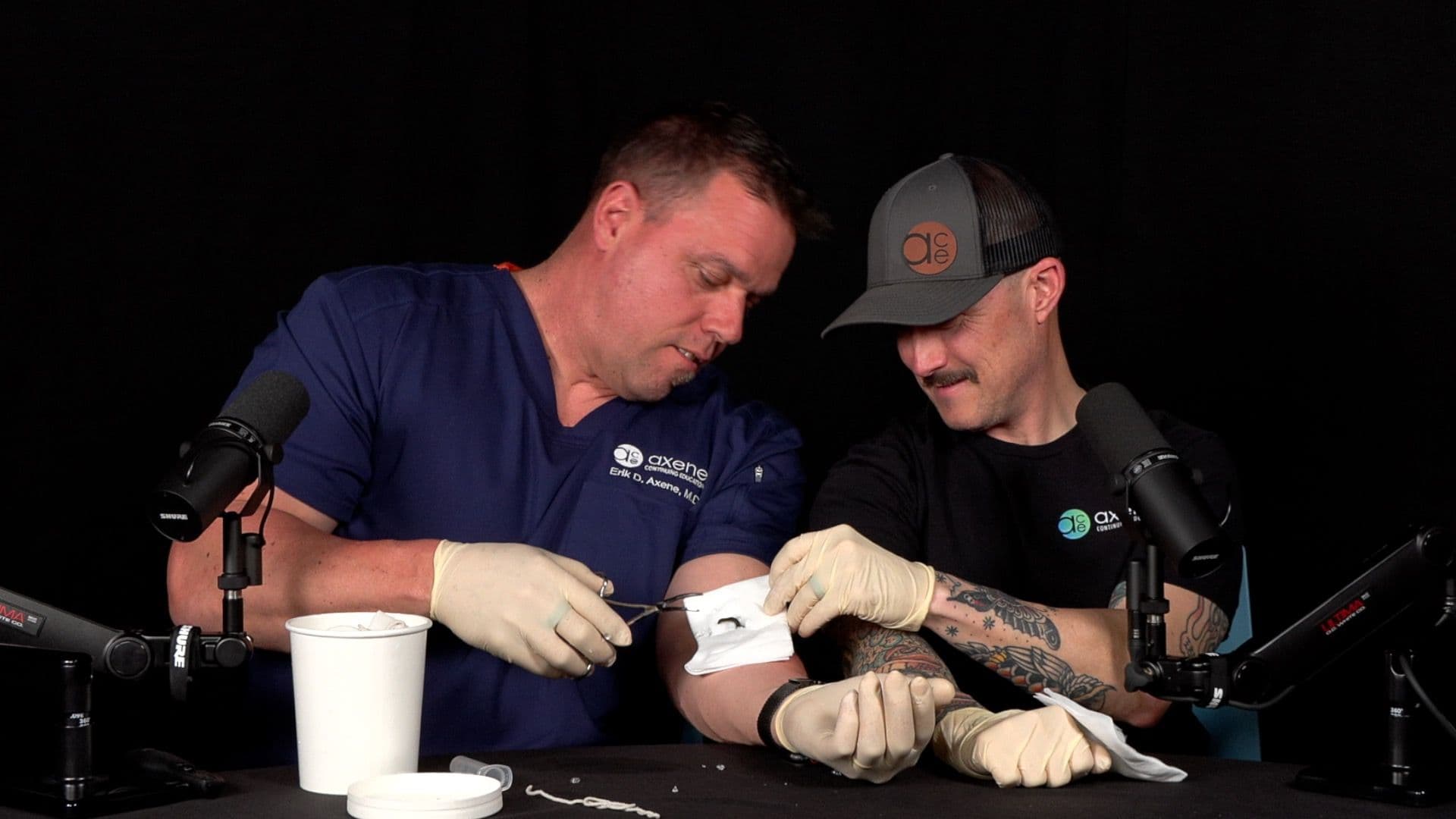
4204 Advanced GI Bleeds (ALS)
Take control of GI bleeding from first contact to resuscitation. Learn to distinguish upper vs. lower bleeds, manage airway and shock, and deliver physiology-driven treatment to improve outcomes.
4300 Renal Emergencies Unit I (ALS)
A concise and relevant overview of one of the body�s most complex organ systems.
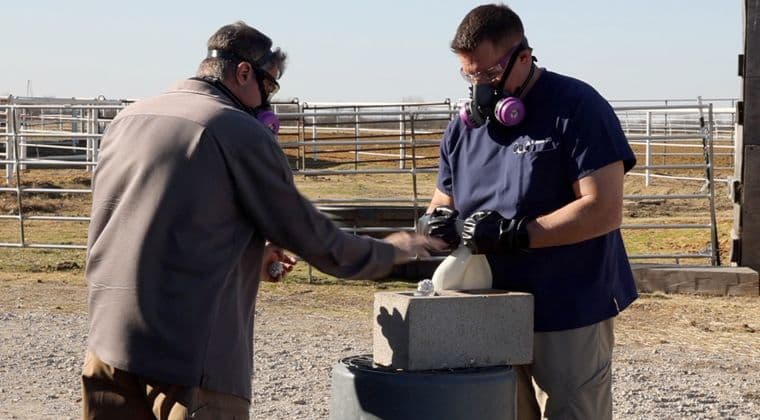
4301 Renal Emergencies Unit II (ALS)
A deeper dive into the metabolically active kidney and how it affects acid-base balance.
4302 Renal Emergencies (BLS)
A concise and relevant overview of one of the body�s most complex organ systems.
4303 Podcast: Dialysis Emergencies (ALS/BLS)
Dialysis patients present unique emergencies. Erik and Matt cover kidney function, dialysis pathophysiology, and pre-hospital management of volume overload, hyperkalemia, hemorrhage, and sepsis in ESRD patients in the field.
4401 Diabetic Emergencies (ALS)
A breakdown of the pathophysiology of diabetes and its complications (e.g. DKA and HHNK). We will also discuss the prehospital management of diabetes.
4402 Diabetic Emergencies (BLS)
A breakdown of the pathophysiology of diabetes and its complications (e.g. DKA and HHNK). We will also discuss the prehospital management of diabetes.
4600 Podcast: Pulmonary Embolisms (ALS/BLS)
Identify pulmonary embolism risk factors and warning signs, and prioritize critical field management to prevent sudden decompensation in patients with suspected PE.
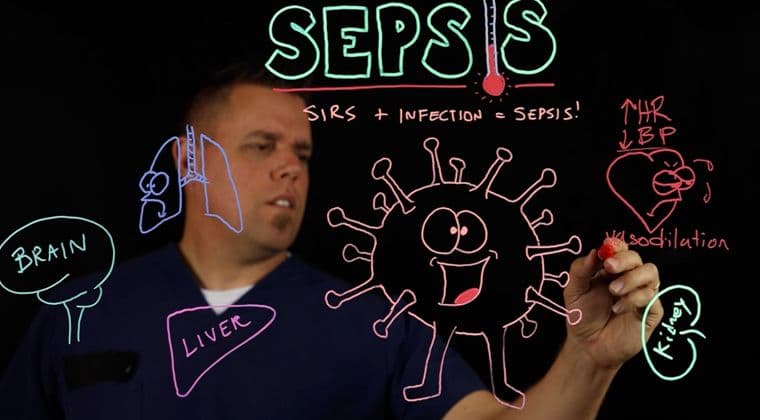
4701 Sepsis (ALS)
A discussion of the risk factors, assessment, and management of sepsis, septic shock and multiple organ dysfunction syndrome.
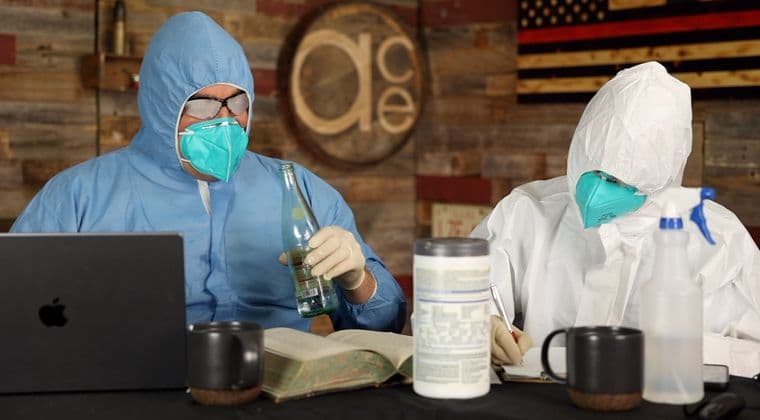
4702 Viral Hemorrhagic Fevers (ALS)
A discussion of some of the most deadly infectious diseases that can impact public health.
4703 Sepsis (BLS)
A discussion of the risk factors, assessment, and management of sepsis, septic shock and multiple organ dysfunction syndrome.
4704 Viral Hemorrhagic Fevers (BLS)
A discussion of some of the most deadly infectious diseases that can impact public health.
4705 High Risk Sepsis (ALS)
Learn to recognize and manage sepsis in the field. Master early identification, IV fluid delivery, prehospital antibiotics, vasopressors, and other sepsis management strategies.
4706 High Risk Sepsis (BLS)
Learn to recognize and manage sepsis in the field. Master early identification, prehospital antibiotics, vasopressors, and other sepsis management strategies.
4801 OBGYN Emergencies (ALS)
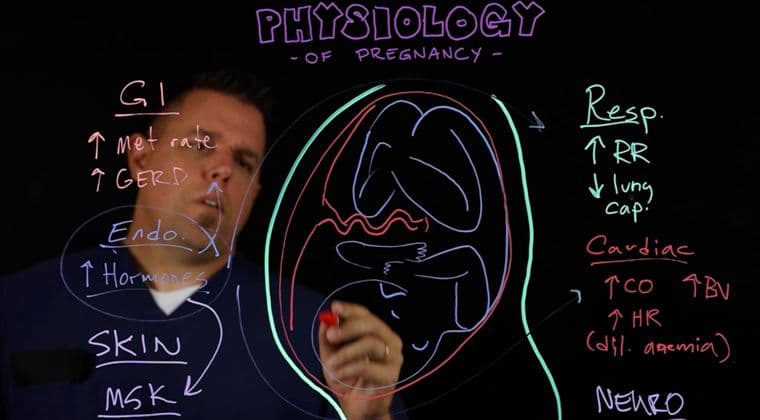
A discussion of the assessment and management of common pre-term OBGYN emergencies.
4802 High Risk OB/GYN Unit I (ALS)
Learn to rapidly recognize and manage sepsis, preeclampsia, and trauma in pregnant patients. This course gives EMS providers the critical skills needed to protect two lives under the most high-risk, time-sensitive conditions.
4803 High Risk OB/GYN Unit II (ALS)
Master high-risk obstetric emergencies across the antepartum, intrapartum, and postpartum phases. Learn to spot red flags, manage life-threatening complications, and deliver evidence-based care when every second counts.
4804 High Risk OB/GYN Unit I (BLS)
Learn to rapidly recognize and manage sepsis, preeclampsia, and trauma in pregnant patients. This course gives EMS providers the critical skills needed to protect two lives under the most high-risk, time-sensitive conditions.
4805 High Risk OB/GYN Unit II (BLS)
Master high-risk obstetric emergencies across the antepartum, intrapartum, and postpartum phases. Learn to spot red flags, manage life-threatening complications, and deliver evidence-based care when every second counts.
4806 Podcast: High Risk OB/GYN Unit I (ALS/BLS)
Explore the challenges and stories of OB emergencies with real-life cases, expert tips, and practical advice for EMS providers. Learn about trauma, sepsis, and more in this engaging, informative episode.
4807 Podcast: High Risk OB/GYN Unit II (ALS/BLS)
In unit two of this podcast, Dr. Axene and Matt Ball will continue their discussion on high-risk OB patients. They will cover some of the most common issues before, during, and after pregnancy.

4901 Syncope Unit I (ALS)
A review of the common causes and risk factors for syncope using several different cases to illustrate disease presentation, evaluation and management.

4902 Syncope Unit II (ALS)
A breakdown of the causes of syncope, including a simple approach to evaluation and treatment.
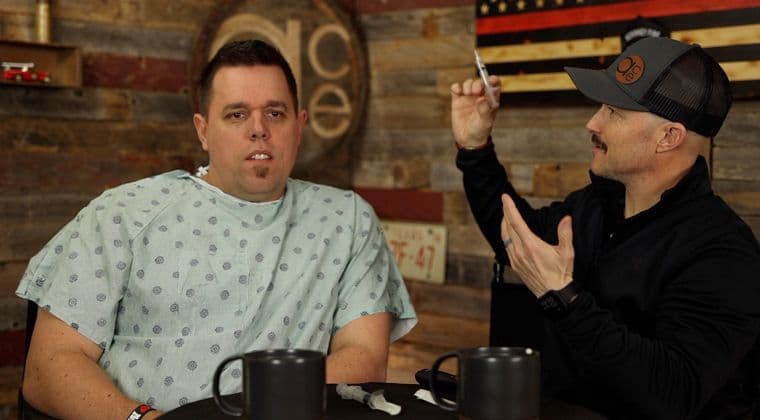
4903 Poisons and Overdoses (ALS)
A review of poisons and overdoses, including a look at some of the most deadly poisons known.
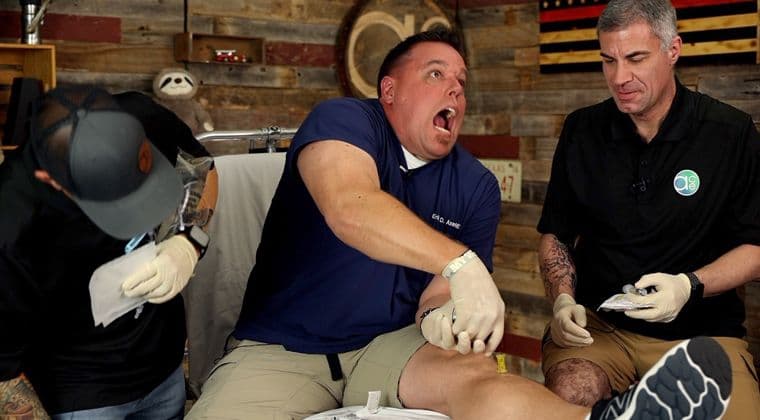
4904 Fluid Resuscitation (ALS)
A thorough overview of fluid movement and distribution in the body, shock identification and management, and a fresh refocus on access optimization.
4905 Podcast: Toxidromes (ALS/BLS)
Learn to recognize common toxidromes encountered in the prehospital setting. This podcast will help you understand patient presentations and apply practical management strategies.
4906 Poisons and Overdoses (BLS)
A review of poisons and overdoses, including a look at some of the most deadly poisons known.

4907 High Risk Behavioral Health Emergencies (ALS)
Behavioral health emergencies can be complex and high-risk. This course goes beyond transport, training providers to safely assess and manage psychiatric crises in the prehospital setting - protecting both patients and first responders.
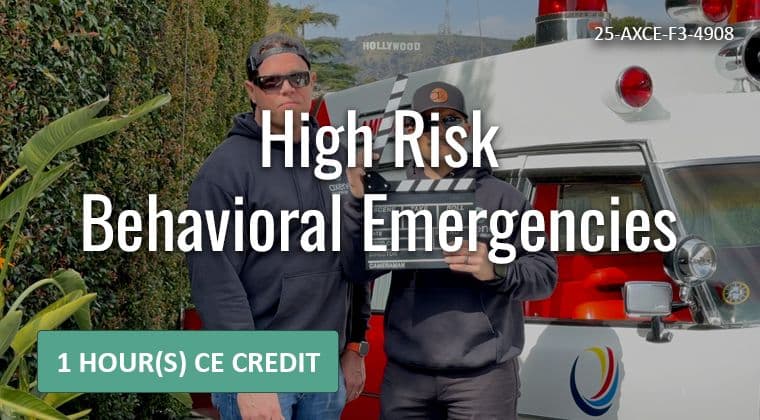
4908 High Risk Behavioral Health Emergencies (BLS)
Behavioral health emergencies can be complex and high-risk. This course goes beyond transport, training providers to safely assess and manage psychiatric crises in the prehospital setting - protecting both patients and first responders.

4909 Beyond Overdose (ALS)
Naloxone can restore breathing, but can EMS revive a new life? This opioid overdose CE course goes beyond med administration and explores addiction physiology, reversal, MAT, harm reduction & recovery to change the trajectory of opioid use disorder.
4910 Beyond Overdose (BLS)
Naloxone can restore breathing, but can EMS revive a new life? This opioid overdose CE course goes beyond med administration and explores addiction physiology, reversal, MAT, harm reduction & recovery to change the trajectory of opioid use disorder.
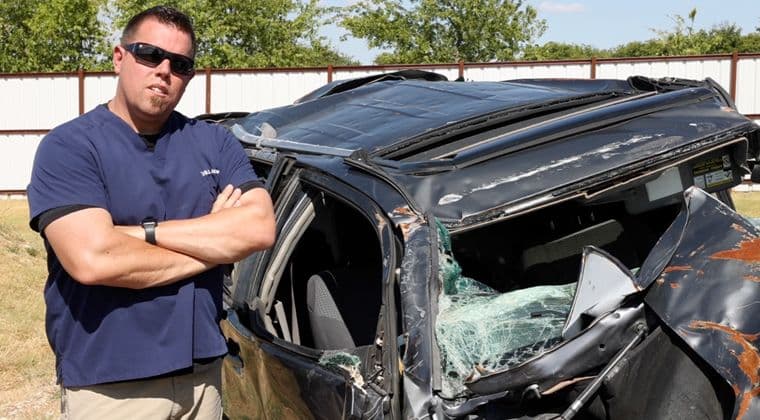
5001 Intro to Trauma (ALS)
A discussion of the trauma patient with a focus on the recognition of potentially life-threatening injuries.
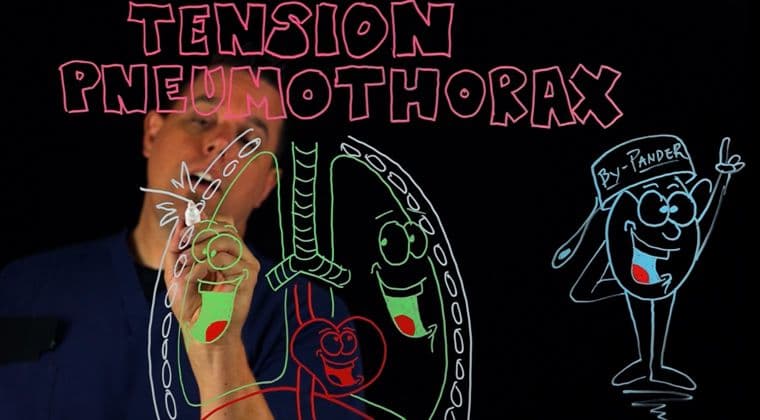
5002 Traumatic Arrest (ALS)
This course covers how cardiac arrest caused by a traumatic mechanism is different than cardiac arrest from a medical cause.
5003 Blunt Head Trauma (ALS)
The mechanisms of blunt head trauma and how patients present.
5004 Blunt Chest Trauma (ALS)
An in-depth look at the mechanisms and risk factors of blunt chest trauma.
5005 Blunt Abdominal Trauma (ALS)
A deeper look at the mechanisms, anatomy, and risk factors that impact the assessment and management of blunt abdominal trauma.
5006 Penetrating Trauma Unit I (ALS)
A discussion of the mechanisms and risk factors of penetrating chest trauma.

5007 Penetrating Trauma Unit II (ALS)
An in-depth look at common procedures that can save the life of a patient with a penetrating trauma.
5008 Hypothermia Unit I (ALS)
A discussion of the basics of hypothermia and management of common hypothermic injuries.

5009 Hypothermia Unit II (ALS)
A discussion of the secondary causes of hypothermia, the pathophysiology of hypothermia and the management of severe and profound hypothermic patients.
5010 Spinal Cord Injuries: Cervical (ALS)
A thorough review of high-stakes cervical spine anatomy, injury, assessment, and management.

5011 Spinal Injuries: Lumbar (ALS)
A detailed summary of spinal injuries, including clinical assessment of patients with suspected spine trauma and inclusion criteria for common spine trauma interventions.

5013 Submersion Injuries (ALS)
A data-driven approach to understanding water risks by age with an in-depth discussion on assessment and management of submersion injuries.
5014 Heat Emergencies (ALS)
A fresh and detailed discussion about one of the most common environmental injuries medics respond to.
5016 Traumatic Arrest (BLS)
This course covers how cardiac arrest caused by a traumatic mechanism is different than cardiac arrest from a medical cause.
5017 Penetrating Trauma (BLS)
A discussion of the mechanisms and risk factors of penetrating trauma.
5018 Blunt Head Trauma (BLS)
The mechanisms of blunt head trauma and how patients present.
5019 Hypothermia (BLS)
A discussion of the basics of hypothermia and management of common hypothermic injuries.
5020 Intro to Trauma (BLS)
A discussion of the trauma patient with a focus on the recognition of potentially life-threatening injuries.
5021 Blunt Chest Trauma (BLS)
An in-depth look at the mechanisms and risk factors of blunt chest trauma.
5022 Blunt Abdominal Trauma (BLS)
A deeper look at the mechanisms, anatomy, and risk factors that impact the assessment and management of blunt abdominal trauma.
5023 Spinal Cord Injuries: Cervical (BLS)
A thorough review of high-stakes cervical spine anatomy, injury, assessment, and management.
5024 Spinal Injuries: Lumbar (BLS)
A detailed summary of spinal injuries, including clinical assessment of patients with suspected spine trauma and inclusion criteria for common spine trauma interventions.
5025 Submersion Injuries (BLS)
A data-driven approach to understanding water risks by age with an in-depth discussion on assessment and management of submersion injuries.
5026 Heat Emergencies (BLS)
A fresh and detailed discussion about one of the most common environmental injuries medics respond to.
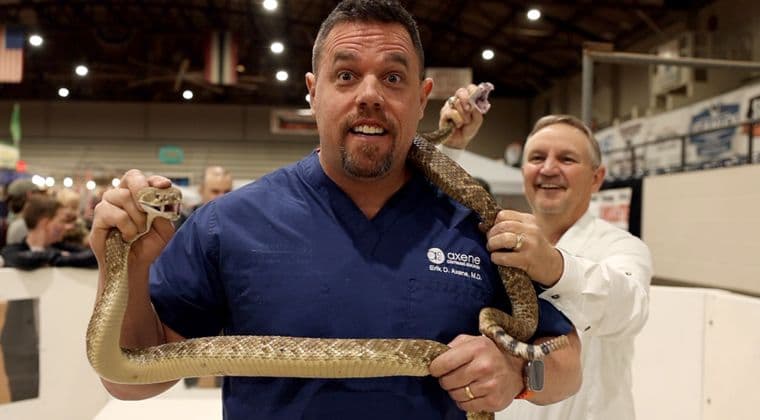
5027 Envenomations (CC)
A breakdown of the presentation and management of envenomation injuries. Dr Axene and Matt visit a rattlesnake pit for some hands-on experience.
5028 Envenomations (ALS)
A breakdown of the presentation and management of envenomation injuries. Dr Axene and Matt visit a rattlesnake pit for some hands-on experience.
5029 Envenomations (BLS)
A breakdown of the presentation and management of envenomation injuries. Dr Axene and Matt visit a rattlesnake pit for some hands-on experience.

5030 Life-Threatening Hemorrhage Unit I (ALS)
This course covers the basics of life-threatening hemorrhage, with an emphasis on pattern recognition to optimize response time and management.

5031 Life-Threatening Hemorrhage Unit II (ALS)
This course explores different management strategies for severe hemorrhage by examining actual cases of shark bite victims. These principles can be applied to treat patients experiencing major hemorrhage from other causes.
5032 Life-Threatening Hemorrhage Unit I (BLS)
This course covers the basics of life-threatening hemorrhage, with an emphasis on pattern recognition to optimize response time and management.
5033 Life-Threatening Hemorrhage Unit II (BLS)
This course explores different management strategies for severe hemorrhage by examining actual cases of shark bite victims. These principles can be applied to treat patients experiencing major hemorrhage from other causes.
5035 Podcast: Hemorrhage Control (ALS/BLS)
Discuss lifesaving hemorrhage control techniques that save lives both in the field and in extreme environments.
5036 Podcast: Whole Blood in EMS (ALS)
Experts discuss the science, benefits, and challenges of using whole blood in EMS for trauma and medical emergencies.
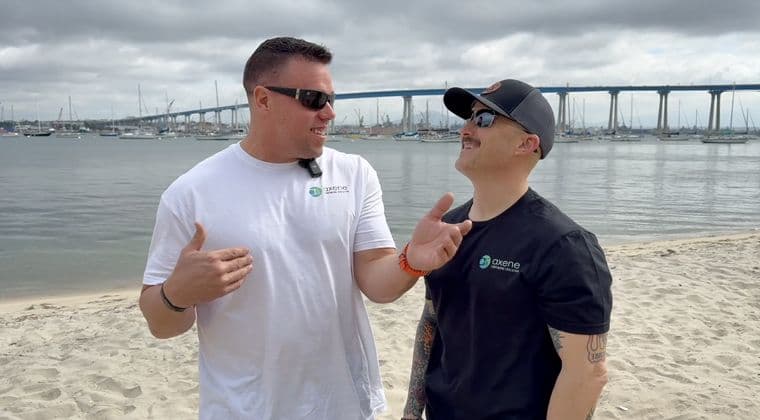
5037 High Risk Trauma Unit I (ALS)
Dive into high-risk trauma, exploring the science of blunt vs. penetrating injuries, energy transfer, and survivability through powerful visuals, real-life application, and insights from modern trauma care.
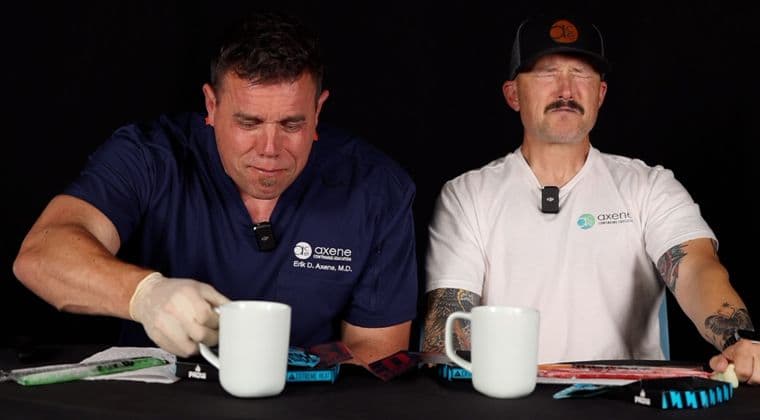
5038 High Risk Trauma Unit II (ALS)
From fractures to burns to TBI, this action-packed course covers high-risk trauma and how to stop the bleed fast - featuring the Hot Chip Challenge and other shenanigans to teach real-world lessons in pain, burns, and lifesaving care under pressure.
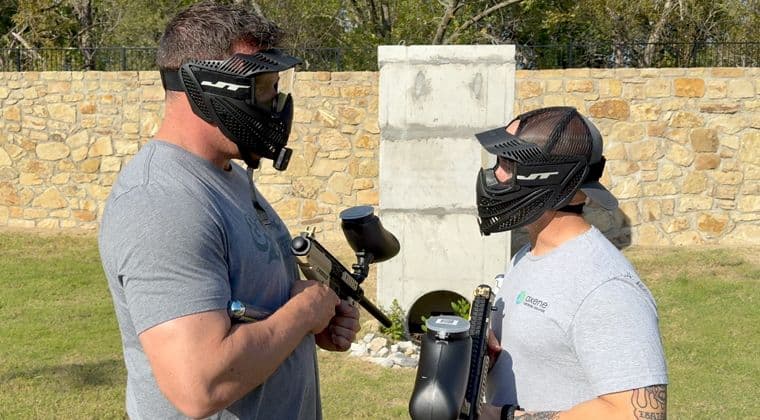
5039 High Risk Trauma Unit III (ALS)
This finale explores the body�s battle against the elements, from drowning to bites to extreme environmental trauma. Wild cases and hands-on tests help bring these high-stakes concepts to life.
5040 High Risk Trauma Unit I (BLS)
Dive into high-risk trauma, exploring the science of blunt vs. penetrating injuries, energy transfer, and survivabilty through powerful visuals, real-life application, and insights from modern trauma care.
5041 High Risk Trauma Unit II (BLS)
From fractures to burns to TBI, this action-packed course covers high-risk trauma and how to stop the bleed fast - featuring the Hot Chip Challenge and other shenanigans to teach real-world lessons in pain, burns, and lifesaving care under pressure.
5042 High Risk Trauma Unit III (BLS)
This finale explores the body�s battle against the elements, from drowning to bites to extreme environmental trauma. Wild cases and hands-on tests help bring these high-stakes concepts to life.
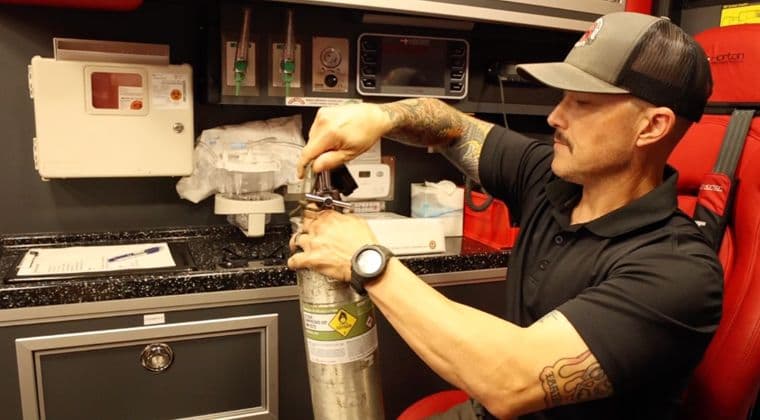
6001 EMS Ops: Ground and Air Ambulance (ALS)
A review of ground and air transportation, check-offs, and communication to improve patient safety.
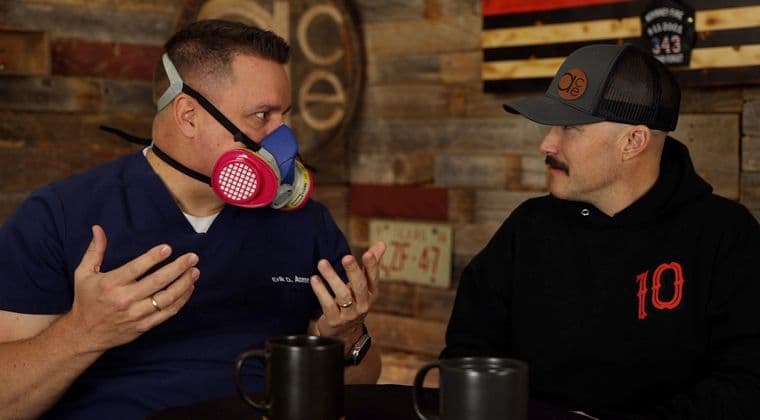
6002 EMS Ops: HAZMAT, MCI & NIMS (ALS)
A discussion covering HAZMAT emergencies, mass casualty incident triage & management, and NIMs utilization, with an emphasis on improving safety for both patients and first responders.
6003 EMS Ops: Ground and Air Ambulance (BLS)
A review of ground and air transportation, check-offs, and communication to improve patient safety.
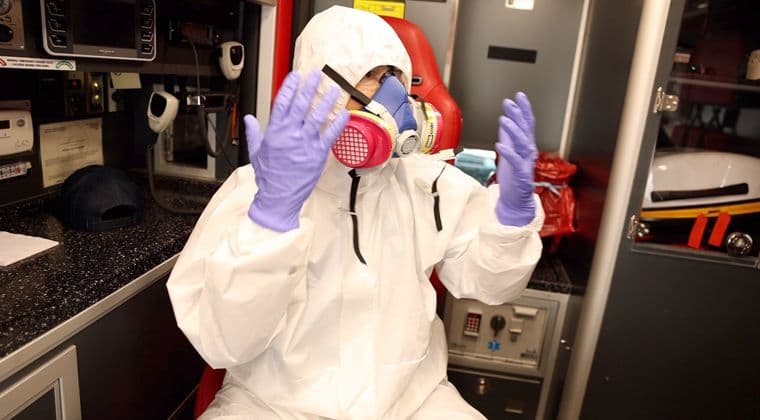
6004 Provider Safety (ALS)
Six easy-to-recall components of Provider Safety that can lead to improved patient outcomes and a safer job site.
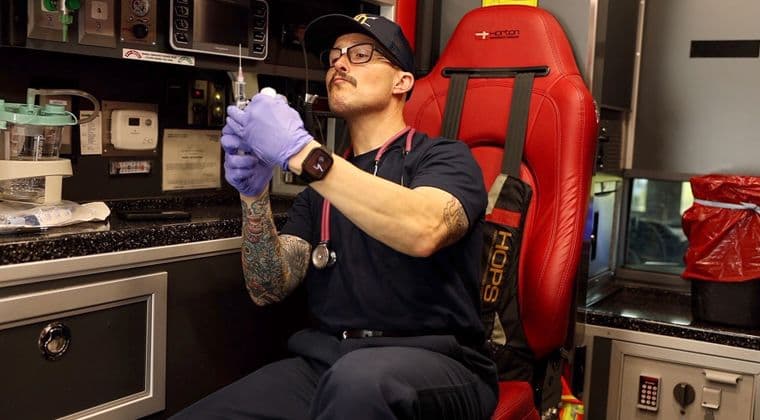
6005 Patient Safety (ALS)
An in-depth discussion of how patient safety protocols can lead to improved patient outcomes.

6006 Stretcher Safety (ALS)
An entertaining look at the topic of stretcher safety, focusing on important and relevant ideas that can aid in improving patient outcomes and provider safety.
6007 EMS Ops: HAZMAT, MCI & NIMS (BLS)
A discussion covering HAZMAT emergencies, mass casualty incident triage & management, and NIMs utilization, with an emphasis on improving safety for both patients and first responders.
6008 Provider Safety (BLS)
Six easy-to-recall components of Provider Safety that can lead to improved patient outcomes and a safer job site.
6009 Patient Safety (BLS)
An in-depth discussion of how patient safety protocols can lead to improved patient outcomes.
6010 Stretcher Safety (BLS)
An entertaining look at the topic of stretcher safety, focusing on important and relevant ideas that can aid in improving patient outcomes and provider safety.
6011 Podcast: Mass Casualty Incidents (ALS/BLS)
Discuss the trauma of mass casualty events, highlighting the need for preparedness, training, teamwork, and resilience to manage the emotional and mental impact on first responders.
7001 Pediatric Respiratory A&P and Assessment (ALS)
A helpful review of pediatric respiratory anatomy & physiology, assessment skills, and challenges faced in treating the pediatric population.
7002 Pediatric Respiratory Emergencies (ALS)
Discussion of the pathophysiology, assessment and management of some of the scariest patients � pediatric respiratory emergencies.
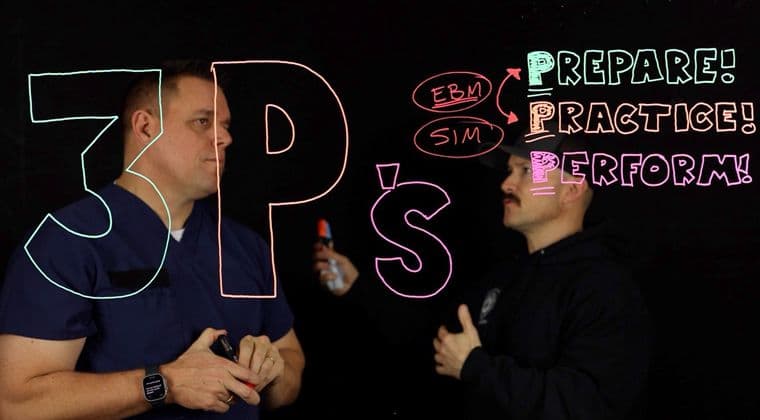
7003 Pediatric Cardiac Arrest (ALS)
A review of the importance of preparation and the crucial parts of managing a pediatric patient in cardiac arrest.
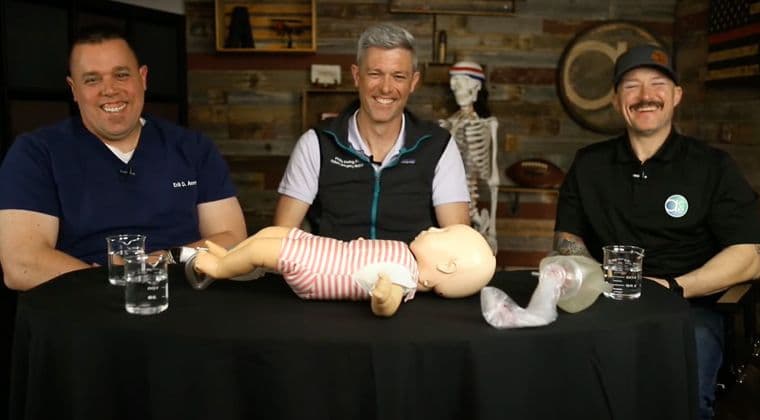
7004 Pediatric Emergencies: Previously Recorded Live (ALS)
Erik and Matt, along with special guest pediatric ER physician Dr Philip Ewing, teach the ACE method of managing pediatric emergencies. Learn tips and techniques to make the most dreaded of patient encounters less stressful and easier to manage.

7005 Pediatric Abdominal Pain (ALS)
A detailed overview of causes of abdominal pain, warning signs of life-threatening abdominal emergencies, and strategic approaches to do the right thing when it counts.

7006 Pediatric Allergic Emergencies (ALS)
Allergic emergencies are on the rise, and pediatric lung physiology makes children uniquely vulnerable. This lecture breaks down what allergies are and how they affect the body, focusing on some serious allergic conditions in pediatric populations.
7007 Pediatric Allergic Emergencies (BLS)
Allergic emergencies are on the rise, and pediatric lung physiology makes children uniquely vulnerable. This lecture breaks down what allergies are and how they affect the body, focusing on some serious allergic conditions in pediatric populations.
7008 Pediatric Respiratory A&P and Assessment (BLS)
A helpful review of pediatric respiratory anatomy & physiology, assessment skills, and challenges faced in treating the pediatric population.
7009 Pediatric Cardiac Arrest (BLS)
A review of the importance of preparation and the crucial parts of managing a pediatric patient in cardiac arrest.
7010 Pediatric Abdominal Pain (BLS)
A detailed overview of causes of abdominal pain, warning signs of life-threatening abdominal emergencies, and strategic approaches to do the right thing when it counts.
7011 Podcast: Pediatric Cardiac Emergencies (ALS/BLS)
This course tackles pediatric cardiac emergencies, some of the most intimidating calls for medics. Explore common issues, prehospital warning signs, and management strategies to feel better prepared when caring for these fragile patients.
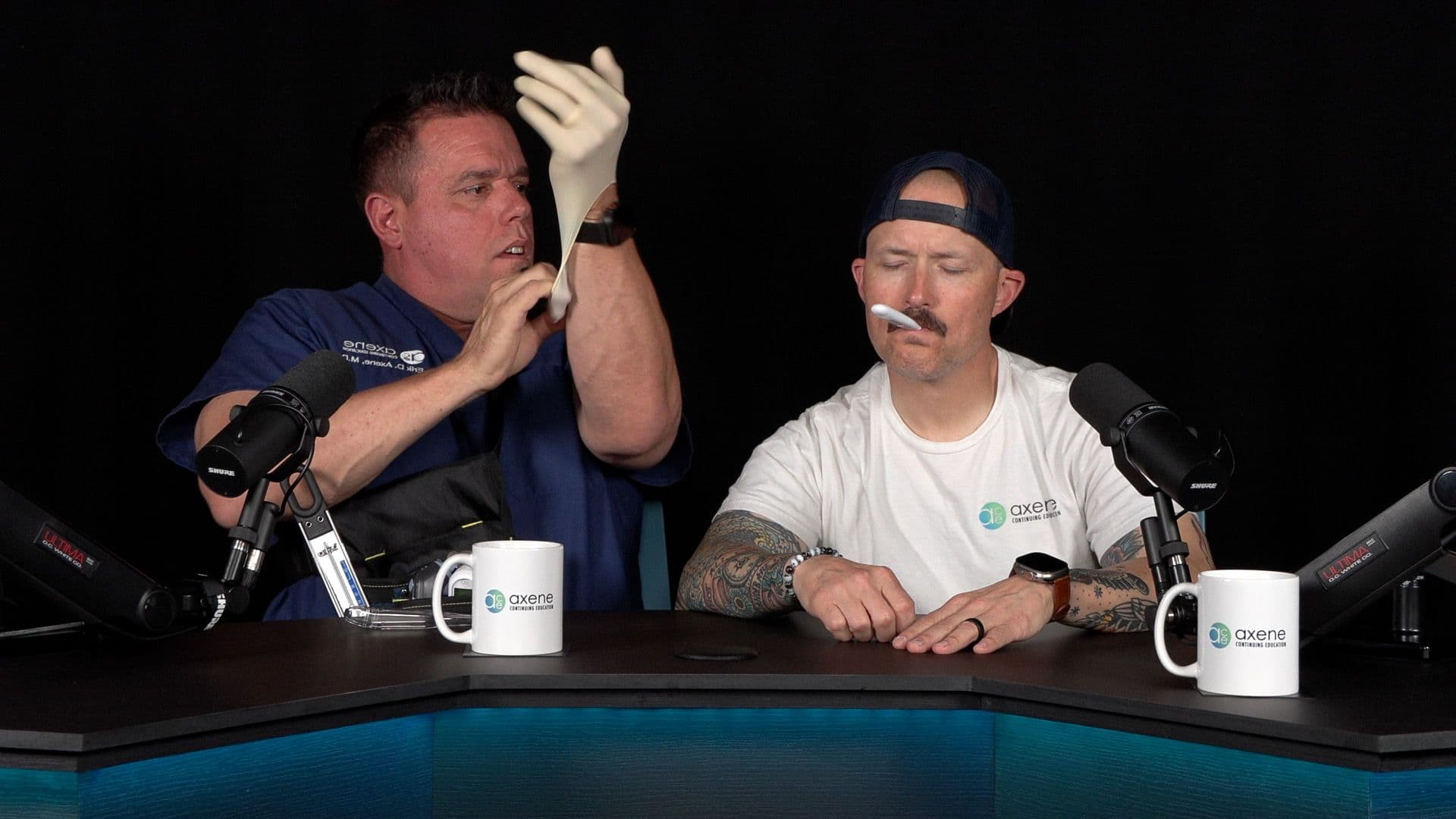
7012 Pediatric Fever (ALS)
Pediatric fever assessment for EMS: understand the pathophysiology, identify sick vs. not sick on scene, and apply prehospital strategies to assess and manage febrile children with confidence.
7013 Pediatric Fever (BLS)
Pediatric fever assessment for EMS: understand the pathophysiology, identify sick vs. not sick on scene, and apply prehospital strategies to assess and manage febrile children with confidence.

7014 Pediatric Seizures (ALS)
A focus on the fundamentals of assessment and management of pediatric seizures.
7015 Pediatric Seizures (BLS)
A focus on the fundamentals of assessment and management of pediatric seizures.
7016 Podcast: Pediatric Management (ALS/BLS)
Learn practical skills to build trust, calm parents, and make fast, accurate assessments while strengthening communication and advocacy for your youngest patients.
7017 Podcast: Pediatric Sepsis (ALS/BLS)
Pediatric sepsis is easily missed and rapidly fatal. Erik and Matt cover recognition, assessment, and pre-hospital management of sepsis in children, from neonates to adolescents, when minutes matter most.
7018 Podcast: Pediatric Ingestions (ALS/BLS)
Small patients, small margins. In this episode of The EMS Show, Erik & Matt break down pediatric ingestions & foreign body obstructions: high-risk ingestions, red flags for abuse & assessment strategies for our youngest patients.

8000 Human Trafficking (ALS)
A thoughtful discussion about human trafficking that will provide first responders with tools that can help identify and give assistance to victims and those at risk.
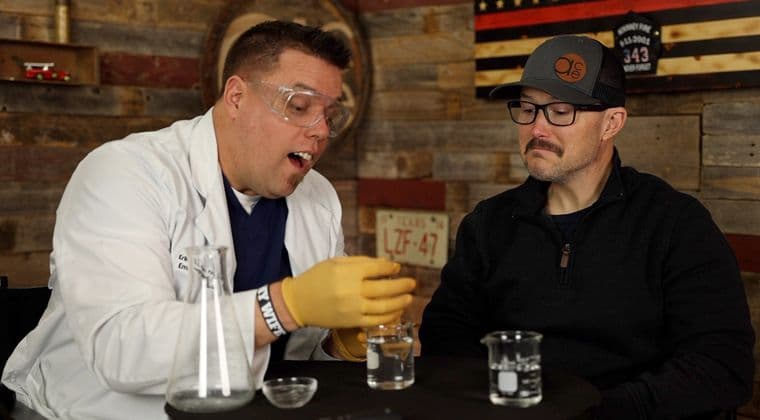
8001 Neonatal Emergencies (ALS)
Learn how to confidently recognize and and treat respiratory, GI, cardiac, and infectious emergencies in neonates.

8002 Nursing Homes (ALS)
How to navigate on-scene management at and en route care from a common but high-risk setting.
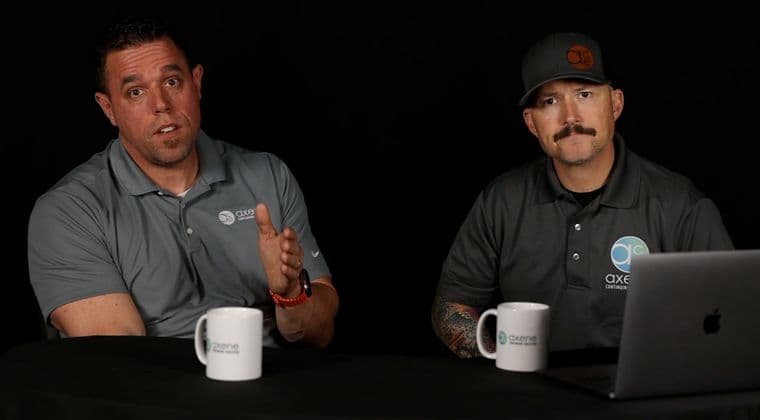
8003 Child Abuse (ALS)
Identifying signs of child abuse is crucial, as many injury patterns are subtle yet can be life-saving when recognized. This course places an emphasis on improved pattern recognition, empowering first responders to identify vulnerable patients.

8004 Geriatric Behavioral Emergencies (ALS)
A review of the assessment and management of geriatric behavioral emergencies with consideration for both mental health and biological causes.
8005 Geriatric Behavioral Emergencies (BLS)
A review of the assessment and management of geriatric behavioral emergencies with consideration for both mental health and biological causes.
8006 Neonatal Emergencies (BLS)
Learn how to confidently recognize and and treat respiratory, GI, cardiac, and infectious emergencies in neonates.
8007 Human Trafficking (BLS)
A thoughtful discussion about human trafficking that will provide first responders with tools that can help identify and give assistance to victims and those at risk.
8008 Child Abuse (BLS)
Identifying signs of child abuse is crucial, as many injury patterns are subtle yet can be life-saving when recognized. This course places an emphasis on improved pattern recognition, empowering first responders to identify vulnerable patients.
8009 Podcast: Human Trafficking (ALS/BLS)
Learn how to identify human trafficking in the field. Spot subtle signs, understand victim behavior, and respond effectively. A vital podcast episode and training tool for first responders.
8010 Podcast: Recognizing Child Abuse (ALS/BLS)
Gain essential tools to recognize and report child abuse. Covers physical exam findings, helpful mnemonics, and EMS responsibilities.
8011 Podcast: Prison Patients (ALS/BLS)
Explore the unique challenges of providing EMS care in correctional settings. Learn strategies for safe, respectful and effective treatment of incarcerated patients.
8500 Podcast: Understanding Addiction (ALS/BLS)
This episode dives into the complex nature of addiction - what it is, how it develops, and how to break free. Learn to recognize addiction in its many forms and discover strategies for lasting change.
8501 Podcast: Special Needs Patients (ALS/BLS)
Explore the rewards and challenges of caring for patients with special needs. Learn to communicate effectively, build trust, and use real-world strategies for de-escalation, consent, and abuse recognition.
8502 Podcast: Managing Obese Patients (ALS/BLS)
Learn to manage obese patients in the field, including safe lifting, airway management, and clinical care. Learn strategies to preserve patient dignity and protect providers, while delivering safe, effective care.
8503 Podcast: The Immunocompromised Patient (ALS/BLS)
Would you be able to spot an immunocompromised patient before it's too late? Common in EMS, they carry high trauma mortality. Dr Axene and Matt break down how to recognize, assess, and manage these high-risk patients in emergency medicine.
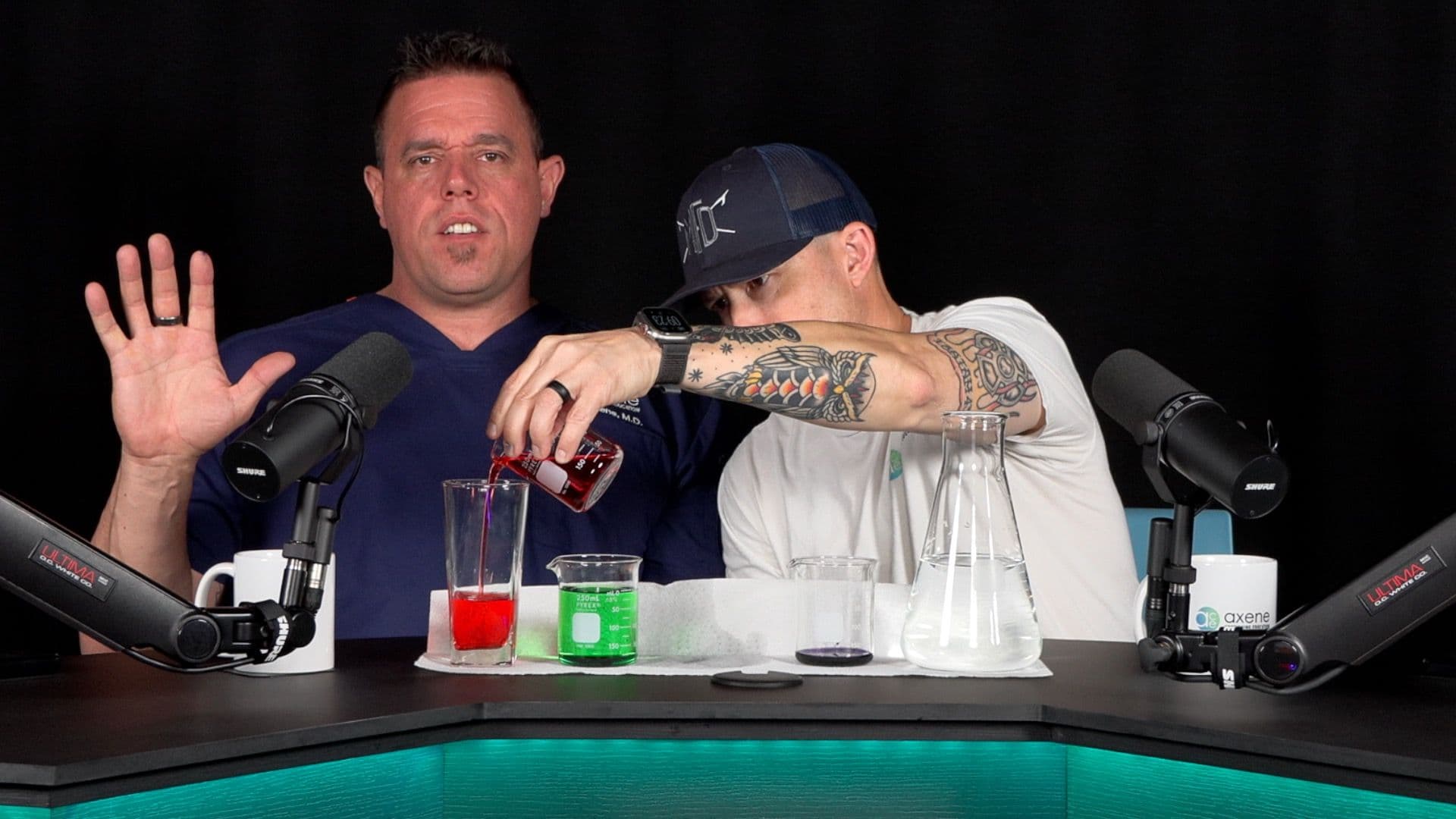
8504 Dialysis Patients (ALS)
Dialysis patient emergencies in EMS. Understand kidney failure physiology, recognize high-risk complications like hyperkalemia and fluid overload, and apply prehospital strategies for rapid assessment and management.
8505 Dialysis Patients (BLS)
Dialysis patient emergencies in EMS. Understand kidney failure physiology, recognize high-risk complications like hyperkalemia and fluid overload, and apply prehospital strategies for rapid assessment and management.
8506 Podcast: Just Culture (ALS/BLS)
8506 Podcast: Just Culture (ALS/BLS) — CAPCE-accredited EMS continuing education.

9000 Texas Jurisprudence
Dr. Axene and Matt have crafted a course that not only holds your attention but also ensures you walk away with a deeper understanding of Texas law�knowledge that directly enhances patient safety and strengthens your job security.
Best Value
Get all 195 courses for $175/year
Unlimited access to every level and category. Save vs. individual purchases.
Not Sure Where to Start?
Use our Course Finder tool to get a personalized CE plan based on your state, certification level, and hours needed.