If you’ve worked in EMS long enough, you’ve seen some version of this call:
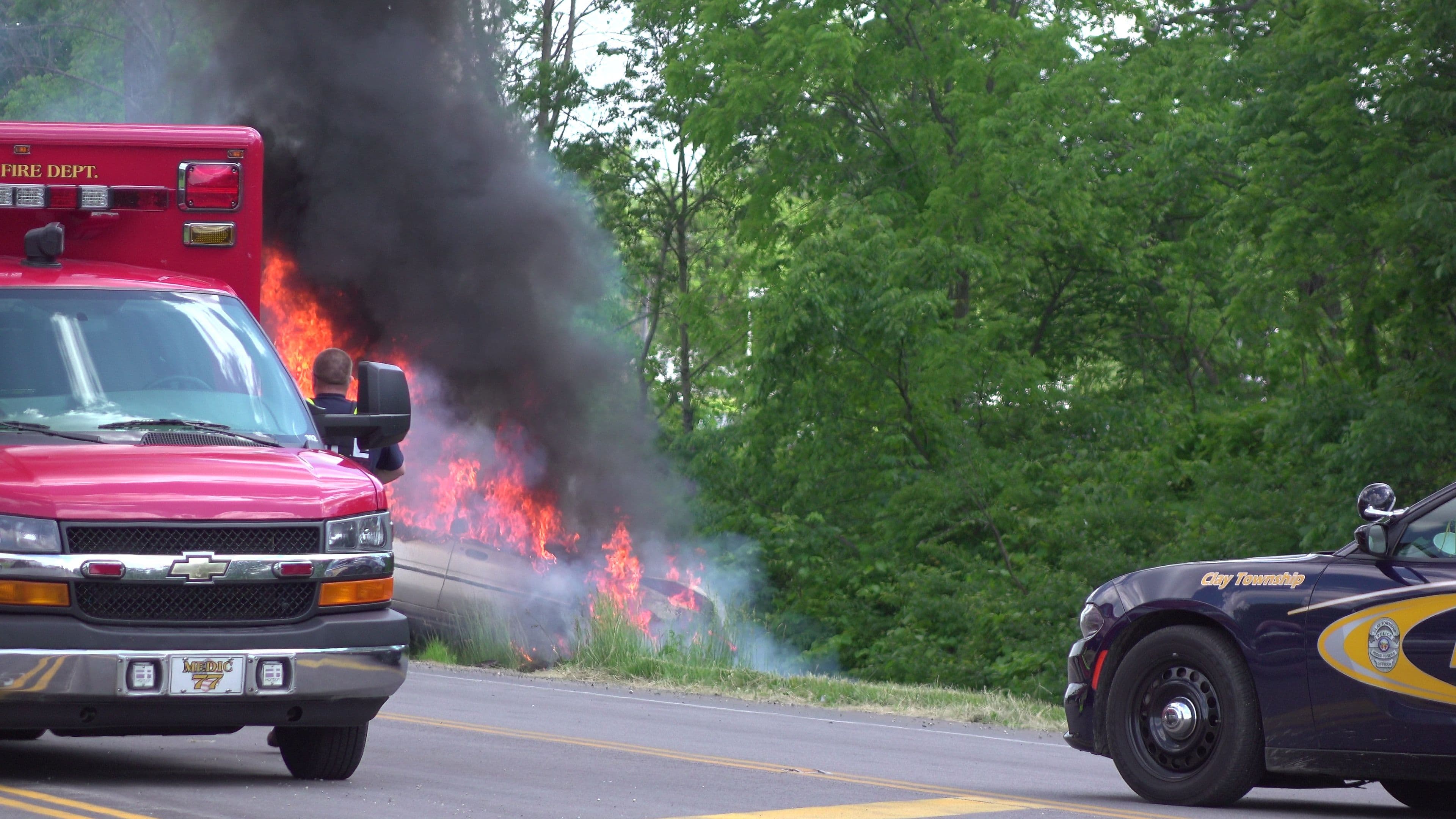
Mangled car. Long extrication. Patient fading before your eyes. They’re pale, sweaty, and grey. You’re hanging fluids, pushing TXA, adjusting ventilation, doing everything you can while their blood pressure insists on trending south. You know exactly what they need: blood and a surgeon. What they actually have is you, the back of a truck, and a long road ahead.
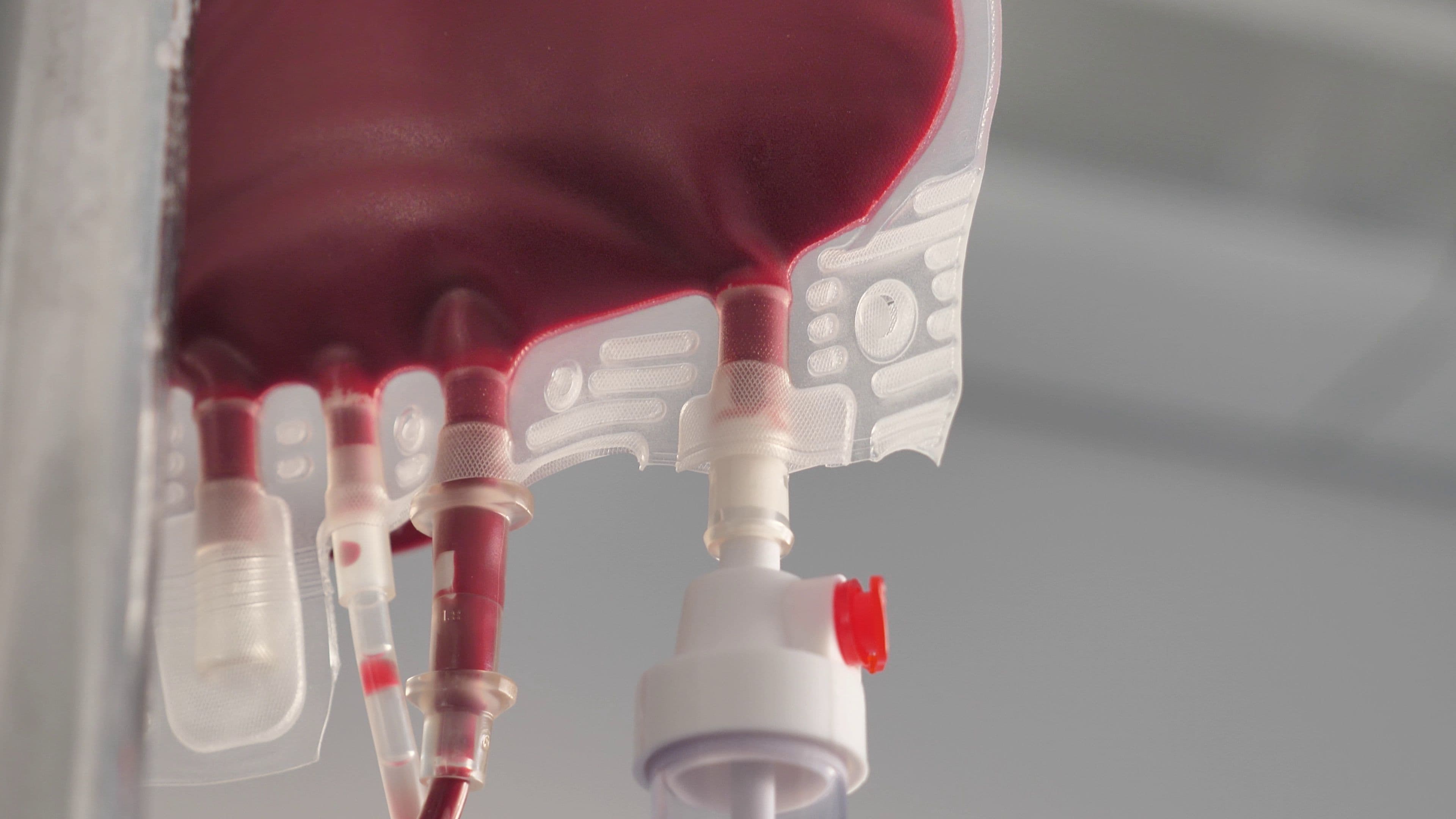
Whole blood in EMS exists to change that moment. It shifts the timeline. Instead of waiting until the patient reaches a trauma bay ceiling lights, you begin damage control resuscitation right where they are – ditch, living room, roadside. This isn’t “fancy” medicine. It’s simply treating the cause of hemorrhagic shock early enough for it to matter.
Why Whole Blood Is on the EMS Radar
Goodbye saline flood. Hello physiology.
For years, trauma resuscitation followed a predictable script: Two large bores, saline wide open, chase the pressure and turn the patients blood (and clotting factors into Kool-Aid).
We finally know better.
Crystalloids dilute clotting factors, cool the patient, worsen coagulopathy, and contribute to avoidable mortality. Modern trauma care evolved into damage control resuscitation:
- Stop the bleeding
- Minimize dilution
- Replace what the patient is actually losing
Hospitals transitioned back to whole blood because it simply performs better than equal parts fluid + pressors + hope. Prehospital care is finally catching up. When the patient’s blood is literally on the pavement, clear fluid is not the answer. Whole blood in EMS extends current evidence-based trauma care straight to the curb.
What the Evidence Actually Says
Research is still expanding, but several points repeat across large datasets and multiple systems:
Early blood saves lives.
A national analysis estimated that every minute of delay to blood product transfusion increases mortality by 11% in hemorrhagic shock.
Blood and plasma in the field reduce mortality in the right patients.
The PAMPer trial demonstrated significantly improved 30-day mortality when plasma was initiated during transport.
Prehospital blood is feasible and safe.
Rural and urban programs alike have shown:
- High protocol adherence
- Low wastage when inventory is rotated
- Improved outcomes in penetrating trauma
- Fewer intubations after resuscitation
This is not theoretical. It’s practical, repeatable, real-world evidence.
Who Actually Needs Blood in the Field
Whole blood isn’t for “sick-ish” patients. It’s for the ones losing the fight.
Hemorrhagic shock, simplified
The patient is losing blood faster than they can compensate. Organ perfusion collapses. By 30–40% blood-volume loss, they’re in decompensated shock with high risk of arrest.
Practical field indicators
Most EMS systems use a mix of:
- Obvious or suspected major hemorrhage
- SBP < 70 or clearly falling
- Shock index > 1
- ETCO₂ low 20s or lower
- Traumatic arrest with short downtime
Not just trauma
A significant portion of real-world prehospital transfusions are medical:
- Massive GI bleeds
- Ruptured dialysis fistulas
- Postpartum hemorrhage
These patients don’t need a trauma surgeon but they absolutely need blood right now.
How Early Is Early Enough?
There’s a widely believed myth: “Transport is short. They’ll get blood in the ED.”
But consider the timeline:
- Dispatch and call processing
- Response
- Extrication or access
- On-scene care
- Transport
- Triage
- Ordering blood
- Blood actually arriving at bedside
In large trauma datasets, time from injury to first hospital transfusion often exceeds 30 minutes, even in city systems.
The cost of those minutes
Recent studies report:
- A 2% increase in mortality for every minute delay to any resuscitative intervention
- An ~11% increase in mortality odds for each minute delay to blood
In rural regions with 30–60 minute transports, that math becomes catastrophic.
How to Build a Realistic Whole Blood Program
This is where many agencies hesitate. Yes, it takes planning. Yes, it involves cost. But when built well, it is manageable, sustainable, and clinically powerful.
1. Start with a hospital partnership
Most programs collaborate with a local trauma center to:
- Source whole blood
- Rotate unused units back into hospital inventory
- Minimize waste
- Share logistical responsibilities
With proper rotation, many agencies report zero units wasted over years of operation.
2. Get your logistics tight
Common elements:
- Validated coolers with continuous temperature logs
- Station-based blood refrigerators
- Reliable warmers on responding units
- Assigned personnel overseeing inventory and expiration dates
3. Train like it matters (because it does)
Education must include:
- Physiology of hemorrhagic shock
- Hands-on equipment familiarity
- Clear activation triggers
- Case reviews and shared wins
A strong program isn’t “blood on a truck.” It’s a culture of early identification, early activation, and early intervention.
Common Concerns (and the Reality Behind Them)
“We’re too small for this.”
Volume isn’t the deciding factor time to definitive care is. Small or rural agencies often have the longest transports and therefore the most to gain.
“What if we give it to the wrong patient?”
With conservative criteria and solid training, inappropriate transfusions are rare. Failing to transfuse a patient in true shock is far more dangerous than the occasional borderline case.
“What about pregnant patients?”
Yes, alloimmunization risk exists. But in catastrophic postpartum hemorrhage, the immediate risk of death outweighs the long-term theoretical risk. Low-titer whole blood continues to show favorable safety profiles when used appropriately.
What This Means for EMS Providers
Whole blood in EMS represents more than a new therapy it signals a shift in how prehospital clinicians see their role.
It means:
- Recognizing shock early
- Treating the cause instead of chasing numbers
- Closing the gap between evidence-based care and what happens before ED arrival
Most importantly:
It redefines EMS as the first point of critical care not the waiting room for the hospital. Instead of rushing patients to where the blood is, EMS is now empowered to bring the blood to them.