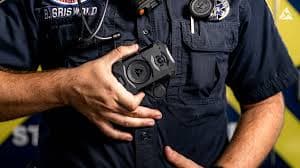
EMS Body Cameras: Accountability, Refusals, and the HIPAA Mess Nobody Wants to Talk About
Body cameras for EMS are one of those topics that makes people pick a side fast.
Some folks hear “camera” and think: finally, accountability. Protection. Proof. Training film like sports. Clean documentation.
Other folks hear “camera” and think: cool, now we can get subpoenaed in 4K. Also, why are we recording people on the worst day of their life.
Let’s break it down in a way that actually helps clinical practice and helps leaders make decisions without lighting the culture on fire.
Why this conversation is happening right now
EMS did not suddenly become more visible. The world did.
The episode nails a reality that every working provider has felt: the minute you leave the bay, you should assume you are on camera somewhere. Traffic cameras. Dash cameras. Ring cameras. Store cameras. Bystanders filming your call before you have even cleared it.
They even mention a recent crash where video was online before units were done. That tracks with the internet we live in.
So the question is not “will there be video.” The question is “who controls it, where does it live, and how do we protect patients and crews.”
The best argument for cameras: protection and proof
The medical director in the episode says it plainly: if you are proud of what you do, put a camera on you. That mindset is not about ego. It is about transparency.
And transparency matters for three reasons: patient safety, provider safety, and legal reality.
When your care is solid but your narrative is not
Most EMS crews do the right thing. The problem is that sometimes the chart does not show it.
Video can fill gaps when documentation is incomplete or when the chaos of a resuscitation scrambles memory. JEMS notes that agencies considering body worn cameras need clear policies for retention, access, and redaction of PHI before any footage is released. (JEMS)
That policy work is boring, but it is the difference between “this helps us” and “this ruins Thanksgiving.”
Refusals and why video can be your best witness
The spiciest, most useful part of this episode is refusals.
They say what many medical directors and risk folks will tell you quietly: crews often do a better job on refusals than the documentation shows. And refusal cases are common sources of complaints and litigation risk.
A recent peer reviewed paper on high risk refusals highlights that EMS patients decline treatment or transport in roughly 5 to 10 percent of encounters, and high risk refusals increase both patient risk and legal risk. (PMC)
So what does video change?
It can show capacity assessment, the risk discussion, the patient’s own words, and the fact that you offered transport, explained consequences, and did not just shrug and bounce.
EMS World outlines refusal documentation goals clearly: demonstrate duty to act, prove capacity, and show informed refusal. (HMP Global Learning Network)
If your system allows it, pairing strong refusal documentation with recorded confirmation can be powerful. Not because you want to “win” against patients. Because you want patients to understand the decision, and you want your chart to reflect reality.
The strongest argument against cameras: privacy, trust, and misinterpretation
Now the other side, because it is not imaginary.
HIPAA does not ban recording, but it does raise the stakes
A lot of people jump straight to “HIPAA says no.” That is not accurate.
The NEMSIS EMS Body worn Camera Quickstart Guide explains that HIPAA permits EMS agencies to capture PHI with body worn cameras and to use recordings for treatment and healthcare operations, as long as privacy and security safeguards are in place. (NEMSIS)
So the barrier is not “can we.” The barrier is “how do we do this without leaking PHI, violating state laws, or creating new ways to harm patient trust.”
The International Association of Fire Fighters also calls out that recordings with identifiable patient data are considered PHI and must be collected, stored, and used in a HIPAA compliant way. (IAFF)
That means access controls, retention rules, encryption, audit logs, and redaction processes. It also means being realistic about subpoenas and public records requests, depending on your state and agency type.
The “layperson shock” factor during real resuscitations
This is one of the best points in the episode, and it is super under discussed.
A camera does not understand context. It just records.
Chest compressions can look brutal. Ribs can crack. You may have to be direct with family members to clear space. Providers may use shorthand language that sounds cold to a non clinical viewer even when the intent is completely patient focused.
The medical director describes the fear of misrepresentation. Not that crews are doing something wrong, but that someone who has never been inside a resuscitation may interpret necessary actions as cruelty.
This is where policy and education matter. If a system adopts cameras, it has to be ready to explain what good care looks like on video, not just to staff, but to leadership, attorneys, and sometimes the public.
Cameras can change what patients tell you
Another concern in the episode is the patient clinician relationship.
Patients may hold back sensitive information if they see a camera. That can affect care. It is not a stretch. We all have had patients whisper things when family steps out. Now imagine adding a lens to that moment.
So if a program uses cameras, it needs a patient facing explanation and limits on use. Otherwise, you risk trading trust for footage.
Cameras are already everywhere, even if you do not wear one
One of the most practical takeaways from this episode is the mindset shift: assume you are being recorded.
That applies whether your agency issues body cams or not. Ring cameras have already changed behavior. Bystanders filming has already changed behavior. Dash cams and in cab cameras have already changed behavior.
So even if you are anti body cam, the professionalism piece stays the same:
- Watch your hallway jokes
- Be careful leaving scenes
- Assume the porch has a microphone
- Assume the bystander has TikTok open
This is not paranoia. This is 2026.
How to implement cameras without turning your crew into a reality show
If your agency is considering body cameras, the “how” matters more than the “what.”
Clear policy and guardrails
At minimum, agencies need policies for:
- When cameras are on and off
- What gets uploaded automatically
- Who can access footage and for what reasons
- How long footage is retained
- How footage is secured and audited
- How redaction works before any external release
- How recordings integrate with QA and medical direction
Multiple EMS guidance pieces emphasize that retention, access, and redaction rules must be established before rolling out cameras. (JEMS)
Training use without “gotcha” culture
The episode makes a great sports analogy: watching film is how you improve.
That is the right energy. But it only works if leadership commits to using footage for coaching and system improvement, not hunting people for minor mistakes.
You can still hold people accountable for true misconduct. You must. But if every clip turns into discipline, crews will not see cameras as safety. They will see cameras as punishment.
Documentation workflows that match the footage
Video is not a replacement for documentation. It is a mirror.
If your written chart does not match what the camera shows, that is a problem. The crew in the episode even talks about using footage to improve documentation accuracy after chaotic calls.
If cameras are implemented, agencies need a clear workflow for reviewing footage for documentation support while keeping access tight and compliant.
Practical tips for crews today
Even if you never wear a body camera, here are practical habits that fit the world we are in:
- Narrate calmly during refusals. Use plain language. Ask the patient to repeat risks back in their own words when appropriate. Capacity documentation matters, and video or not, your chart should reflect it. (NCBI)
- Use a second person when you can. The episode brings up the awkward truth: being alone with certain patients can create risk of false allegations. A camera or a partner can protect everyone. If you can staff for it, do it.
- Be direct without being rude. You may have to clear family from the room. Say why. “I need space so we can help them.” That one sentence plays well on video and in real life.
- Assume the porch is recording. Because it probably is.
Takeaways for EMS leaders and medical directors
Body cameras can improve accountability, training, and refusal protection, but only if implemented like a clinical tool, not a surveillance toy.
If you are building a program, start with these guiding principles:
- Patient privacy is non negotiable, and recordings are PHI when identifiable. (IAFF)
- Policy comes before hardware.
- Training use should be framed like film study, not punishment.
- Refusals are a high value target for video support because of frequency and risk. (PMC)
- Your crews need coaching on how care looks on camera, including how resuscitation can appear to non clinical viewers.
And if you take nothing else from the episode, take this: cameras are already everywhere, and EMS is judged as a whole when one clip goes sideways. Culture is changing whether we like it or not.
So we can either lead that change with smart policy and better training, or we can get dragged by the algorithm.
Nobody wants the second option.
References:
- NEMSIS. EMS Body worn Camera Quickstart Guide: Legal Considerations, includes HIPAA allowance and safeguards for PHI. (NEMSIS)
- IAFF. Body worn cameras guidance and HIPAA privacy best practices for PHI in recordings. (IAFF)
- JEMS. Introducing body worn cameras to your EMS agency, policy needs for retention, access, and PHI redaction. (JEMS)
- EMS World. Documenting the patient refusal, duty to act, capacity, and informed refusal documentation goals. (HMP Global Learning Network)
- McNeilly et al. High risk patient refusals in the prehospital setting, estimates refusal frequency and risk framing. (PMC)
- StatPearls. EMS legal and ethical issues, capacity documentation elements. (NCBI)
- EMS World. Starting an EMS body worn camera program, notes access, storage, and patient access considerations. (HMP Global Learning Network)