What the House Is Telling You: A Prehospital Provider's Guide to Recognizing Child Abuse
You walk into a call for a febrile seizure. Kid looks okay. Parents seem nervous, but parents always seem nervous when their kid just seized. You do your assessment, you pack up, and you transport.
Or maybe you do not transport, because the parents decline and the kid looks stable and you have been here twice before for the same thing.
What did the house look like? What did the kid's back look like? Did the injury match the story? Did the story match the kid's age?
These are not hypothetical questions. They are the questions that separate a missed case of child abuse from a reported one. And in a field where up to 64 percent of abuse cases are missed even in the emergency department, prehospital providers carry a weight that does not get enough attention.
You Are the Only Expert Who Ever Sees the Scene
Emergency physicians are experts at physical examination. What they cannot do is walk through the front door...
By the time a child reaches the ED, they are in a hospital gown in a clean bed under fluorescent lights. The context is gone. The carpet is gone. The smell is gone. The condition of the mattress, the state of the kitchen, the way the parent answered the door, all of it is gone.
You had it. You were there. That makes you the most important clinical observer in a child abuse case, not because you are diagnosing anything, but because you are the only one who saw the environment where the injury occurred.
The physician in the emergency department is working with what you give
The Numbers Are Worse Than You Think
Child abuse is not a rare edge case. It is a public health emergency hiding in plain sight.
According to the CDC, approximately 600,000 children are confirmed victims of abuse and neglect annually in the United States. More than 1,800 children die from abuse-related causes each year. And those are the reported, confirmed cases.
When you factor in the documented miss rate, the real number of children experiencing abuse at any given time is almost certainly over one million. These are not kids in obviously dangerous situations. They are kids in middle-class neighborhoods, in clean homes, with parents who have YouTube channels about parenting.
This happens everywhere. In every zip code. And EMS goes everywhere.
Pattern Recognition Is the Skill. Not Diagnosis.
Here is something worth stating clearly, because it protects both the child and you legally.
Your job is not to determine whether a child has been abused. Your job is to recognize indicators that something may not be right and report them. The investigation belongs to CPS and law enforcement. The diagnosis belongs to physicians and forensic specialists. The pattern recognition belongs to you.
Think about how you approach a cardiac call. You do not diagnose a STEMI and perform a PCI in the field. You recognize the pattern on the 12-lead, activate the appropriate resources, and hand the patient off to the right team. Child abuse works the same way.
You activate the system. You document what you saw. You let the right people take it from there.
That framing matters because it lowers the threshold for reporting. You do not need to be certain. You need to be suspicious. The experts handle what comes next.
The TEN-4 FACES P Framework: Your Field Reference
The TEN-4 FACES P tool is a validated clinical decision aid designed for exactly the situation you are in: a prehospital or emergency setting where you need a systematic way to flag potential abuse without getting lost in the complexity.
TEN-4 covers two separate concepts.
TEN stands for Torso, Ears, and Neck. Bruising in any of these locations on a child under four years old is a red flag. Kids who fall and tumble tend to bruise over bony prominences on their extremities and faces. They do not typically bruise over the torso, ears, or neck from accidental mechanisms.
The four refers to two things: children under four years old are at highest risk and should prompt heightened suspicion with any bruising, and any bruising at all in an infant four months old or younger is never developmentally appropriate. A four-month-old cannot roll into furniture. They cannot fall. If there is bruising, something caused it.
FACES P extends the framework to specific anatomical sites:
F is for the Frenulum, the small tissue bridge inside the upper lip. Tearing here in a preverbal child is highly associated with forced feeding or direct blunt trauma to the mouth and is rarely explained by accidental mechanisms.
A is for the Angle of the jaw. Fractures or significant soft tissue injury here in young children are uncommon in accidental falls and warrant close attention.
C is for the Cheeks, specifically the fatty, fleshy portions. Accidental falls tend to cause injury over cheekbones and bony prominences. Soft tissue injury to the cheeks is a different story.
E is for the Eyelids. The orbital rim protects the eye naturally. Eyelid injuries are uncommon in accidental trauma and should raise concern.
S is for Subconjunctival hemorrhage, bleeding into the white of the eye. This can occur from direct trauma or from significant force to the head and is worth documenting carefully.
P is for Patterns. Bruising in multiple stages of healing. Marks that match objects like cords, belts, or cigarettes. Injuries that do not match the stated mechanism. Repeated calls to the same address for similar complaints.
H2: The House Talks Too. Listen to It.
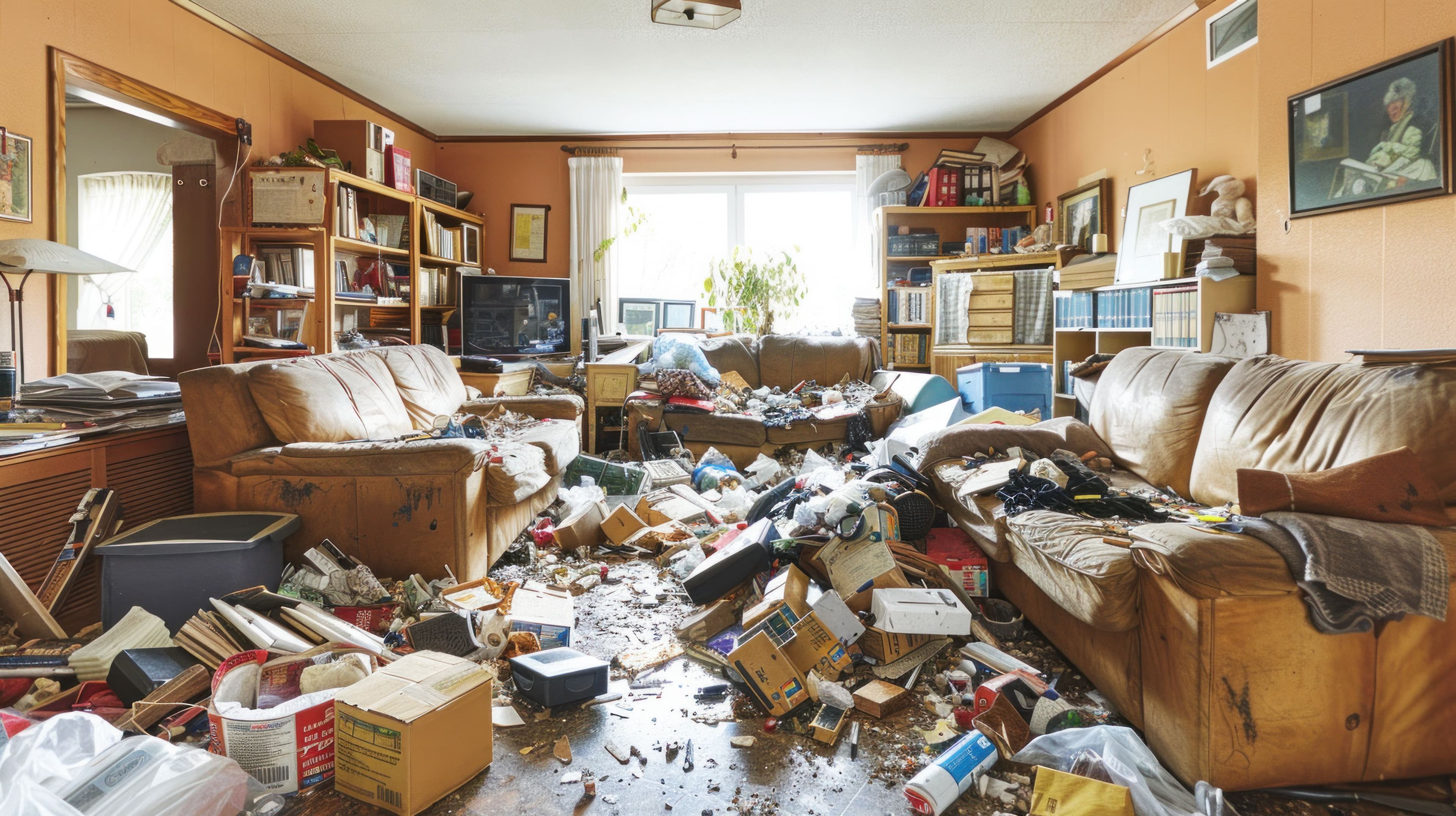
Physical exam findings are only part of the picture. The environment is clinical data.
Feces or urine on floors or carpets. Mattresses without sheets or covers. Children who appear malnourished in a home with stocked shelves. Kids who flinch when an adult moves quickly. A child who does not look at a parent for reassurance the way children typically do.
These observations belong in your documentation. They belong in your verbal report. They matter.
Abuse does not always present in poverty. It presents in clean homes with well-dressed parents who refuse to leave their child alone with you for 30 seconds during an assessment. That refusal to allow private interaction with a child is itself a behavioral red flag.
When Parents Refuse Transport
This is where prehospital management gets complicated and where having a plan matters before you are standing in the living room.
If a parent declines transport for a child you are concerned about, work through the layers. Use your communication skills to make a compelling case for why transport serves the child's interest. Involve medical direction. A physician recommending transport directly to the parent changes the dynamic.
If that fails and your concern is significant, contact law enforcement. Do not attempt to force the issue alone. Do not make accusations at the scene. Document everything you observed and contact CPS after the call is complete, once you are away from the parents.
Law enforcement and CPS can compel what you cannot. Your job is to activate the right resources and document what you saw, not to litigate custody in a living room.
Documentation Is Not Paperwork. It Is Testimony.
These cases go to court. Your PCR may be read aloud in a courtroom. The detail you include, or omit, matters.
Document physical findings objectively and specifically. "Multiple contusions in various stages of healing noted to bilateral upper extremities and torso" is useful testimony. "Kid had some bruises" is not.
Document environmental observations. Document behavioral observations about the child and the parents. Document the exact statements made by the caregivers in quotation marks when possible. Document the time, the mechanism as stated by the parent, and any inconsistencies between the stated mechanism and the injury pattern.
Write your PCR as if a jury is going to read it. Because sometimes they will.
This Is a Crew Job
If you are the treating paramedic, your focus is on the patient. That means your partner, your officer, or your additional crew members may be seeing things you are not.
The condition of the kitchen. The sleeping arrangements. The interaction between siblings. The parent who is tracking every conversation from across the room.
Build a culture on your unit where every crew member knows their observations are clinically relevant and should be communicated before you clear the scene. The information that did not make it onto the PCR because nobody thought to mention it is the information that gets lost forever.
Debrief before you clear. Ask what everyone saw.
The Bottom Line
More than one child becomes an abuse victim every single minute in the United States. The majority of those cases are never reported. The abuser is a parent in 77 percent of cases. And EMS is often the only professional with access to the home, the environment, and the child before the hospital sanitizes the picture.
You are not just a treatment team on these calls. You are the interventionalist. You are the one who can activate the system that removes a child from danger.
Do a thorough, systematic physical exam. Let the physical findings and the environment tell you the story. Use TEN-4 FACES P as your framework. Document like it matters. Report when something does not add up.
Because for that kid, you might be the only person who ever does.
References:
- Sheets LK, et al. "Sentinel Injuries in Infants Evaluated for Child Physical Abuse." Pediatrics. 2013; 131(4):701-707.
- Pierce MC, et al. "Bruising Characteristics Discriminating Physical Child Abuse From Accidental Trauma." Pediatrics. 2010; 125(1):67-74.
- CDC. "Child Abuse and Neglect Prevention." Centers for Disease Control and Prevention. Available at cdc.gov/violenceprevention.
- Wood JN, et al. "Development and Validation of Screening Criteria for Occult Fractures in Children." Pediatrics. 2014.
- Narang SK, et al. "Abusive Head Trauma in Infants and Children." Pediatrics. 2020; 145(4).